Most Popular
Every country and territory, the most visited cities and a selection of the UNESCO World Heritage Sites in Africa.
-
1
Thrilling Big Five safaris, Table Mountain's iconic silhouette above Cape Town, the Winelands and the dramatic Garden Route — South Africa offers extraordinary diversity in one country.
-
2
The Great Pyramids of Giza, the temples of Luxor, cruising the Nile by felucca and diving the Red Sea reefs — Egypt is the world's greatest open-air museum.
-
3
The labyrinthine souks of Marrakesh, the blue city of Chefchaouen, Saharan dune camps and the Atlantic surf of Taghazout make Morocco one of the world's most atmospheric destinations.
-
4
Roman Carthage, the medina of Tunis, Saharan desert landscapes, the whitewashed village of Sidi Bou Said overlooking the Mediterranean — Tunisia is North Africa's most accessible destination.
-
5
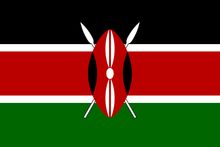 Kenya
Kenya
The Maasai Mara's Great Migration, Mount Kilimanjaro on the horizon, Lamu's Swahili old town and world-class safari camps that set the global standard for wildlife tourism.
-
6
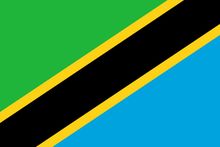 Tanzania
The Serengeti's endless plains, the snow-capped summit of Kilimanjaro, Zanzibar's spice-scented old stone town and some of the finest big-game safari experiences on earth.
-
7
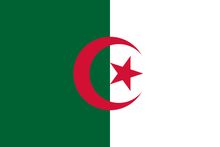 Algeria
Africa's largest country encompasses the Roman ruins of Djémila, the Sahara's towering Tadrart Acacus rock formations and the beautiful Ottoman-era Casbah of Algiers.
-
8
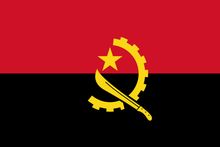 Angola
Oil-rich and rarely visited, with Portuguese colonial Luanda, the Kalandula waterfalls and desert where the Namib runs north across the border.
-
9
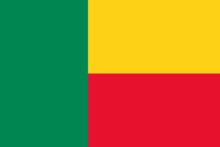 Benin
Benin
The birthplace of Vodun, with the stilt village of Ganvié built over a lagoon and the royal palaces of Abomey recording a kingdom that traded in slaves and gold.
-
10
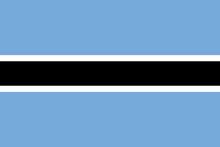 Botswana
The Okavango Delta floods in the dry season from rain that fell in Angola, creating a wetland in the Kalahari and some of the best game viewing anywhere.
-
11
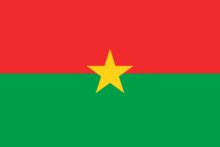 Burkina Faso
The Sahel's cultural centre, with FESPACO — Africa's largest film festival — held in Ouagadougou every two years, and the Sindou Peaks rising out of the savannah in the southwest.
-
12
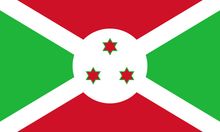 Burundi
One of the smallest and least-visited countries in Africa, with drumming traditions recognised by UNESCO and a shoreline on Lake Tanganyika.
-
13
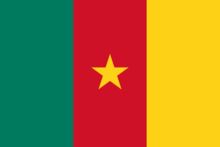 Cameroon
Often called Africa in miniature, with rainforest, savannah, desert and Mount Cameroon in one country, plus the wooden palaces of the Bamileke chiefdoms.
-
14
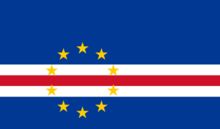 Cape Verde
Ten Atlantic islands off West Africa, with Portuguese Creole culture, the morna music Cesária Évora carried worldwide, and Pico do Fogo rising from a volcanic caldera.
-
15
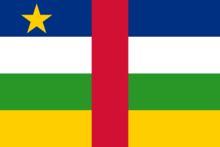 Central African Republic
Dzanga-Sangha's forest clearings draw hundreds of elephants and habituated lowland gorillas, but instability has kept the Central African Republic effectively closed for years.
-
16
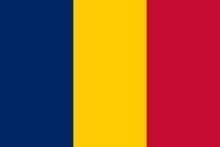 Chad
Chad
The Ennedi Massif's sandstone arches and rock art, and Zakouma's restored elephant herds — Chad is remote, difficult and spectacular.
-
17
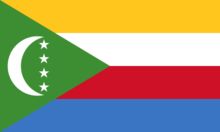 Comoros
Three volcanic islands between Madagascar and the mainland, producing much of the world's ylang-ylang, with Karthala's crater among the largest active calderas anywhere.
-
18
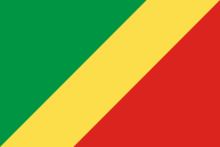 Congo
Congo
The Republic of Congo protects Nouabalé-Ndoki, some of the least disturbed rainforest on earth, where lowland gorillas and forest elephants gather in open clearings.
-
19
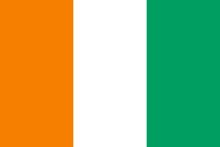 Cote d'Ivoire
Yamoussoukro's basilica is larger than St Peter's, and Côte d'Ivoire's lagoon beaches and Taï rainforest see a fraction of the visitors they could.
-
20
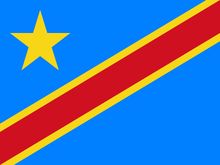 Democratic Republic of the Congo
Vast, mineral-rich and difficult, the DRC holds Virunga — Africa's oldest national park — with mountain gorillas and the lava lake of Nyiragongo.
-
21
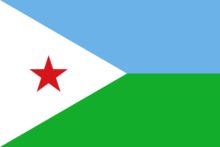 Djibouti
Lake Assal is the lowest point in Africa and among the saltiest water on earth, and whale sharks gather in the Gulf of Tadjoura each winter.
-
22
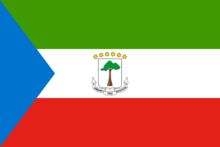 Equatorial Guinea
The only Spanish-speaking country in Africa, split between a mainland and the volcanic island of Bioko, with oil wealth and very little tourism.
-
23
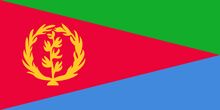 Eritrea
Asmara's intact Italian modernist city centre is a World Heritage Site, and the Dahlak archipelago sits almost undived in the Red Sea.
-
24
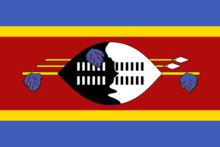 Eswatini
A small kingdom between South Africa and Mozambique, with the Umhlanga reed dance, craft markets in the Ezulwini valley and rhino in Mkhaya.
-
25
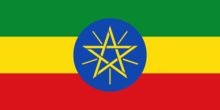 Ethiopia
Rock-hewn churches at Lalibela, castles at Gondar, the Danakil Depression, its own calendar and alphabet, and the only African country never colonised.
-
26
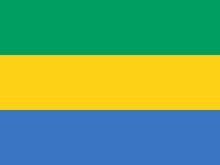 Gabon
Gabon
Almost ninety per cent forest, with thirteen national parks created at a stroke in 2002 and Loango's beaches where elephants and buffalo walk out of the trees.
-
27
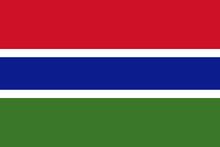 Gambia
The smallest country on mainland Africa, a strip of land along its river, known for birdlife, river cruises and the Atlantic beaches at its mouth.
-
28
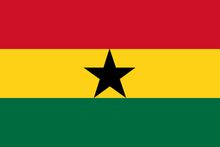 Ghana
Ghana
Cape Coast and Elmina castles hold the dungeons of the Atlantic slave trade, and Ghana's kente cloth, highlife music and welcome make it West Africa's easiest introduction.
-
29
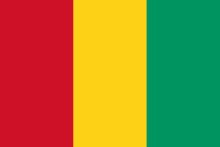 Guinea
Mount Nimba's forested slopes and the Fouta Djallon highlands, source of the Niger, Gambia and Senegal rivers — Guinea is West Africa's water tower.
-
30
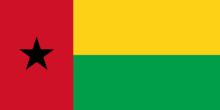 Guinea-Bissau
The Bijagós archipelago's 88 islands hold saltwater hippos and nesting turtles, protected by a matriarchal society that has kept much of it intact.
-
31
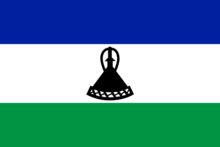 Lesotho
A mountain kingdom entirely above 1,400 metres and completely surrounded by South Africa, with pony trekking, Sani Pass and Africa's southernmost ski resort.
-
32
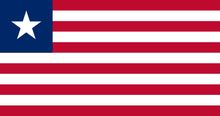 Liberia
Founded by freed American slaves, Liberia has Atlantic surf at Robertsport and Sapo's rainforest, and is slowly rebuilding after civil war and Ebola.
-
33
 Libya
Libya
Leptis Magna and Sabratha are among the finest Roman cities anywhere and the Acacus mountains hold 12,000-year-old rock art, but Libya remains largely closed.
-
34
 Madagascar
Split from the mainland 88 million years ago, so nine in ten of its species exist nowhere else — lemurs, baobabs and the spiny forest of the south.
-
35
 Malawi
Lake Malawi holds more fish species than any lake in the world, most of them found nowhere else, along a shoreline of beaches and dive sites.
-
36
 Mali
Mali
Timbuktu's manuscript libraries and the great mud mosque of Djenné, rebuilt by the whole town each year — much of Mali is currently unsafe to reach.
-
37
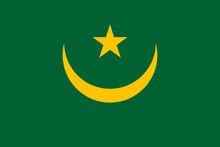 Mauritania
The Iron Ore Train runs 700 kilometres across the Sahara and will carry passengers on top of the ore, one of the great rides on earth, through a country that is mostly desert.
-
38
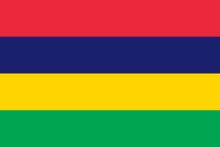 Mauritius
A volcanic island east of Madagascar with reefs, sugar cane and a Creole culture blending Indian, African, Chinese and French — and the extinct dodo as its emblem.
-
39
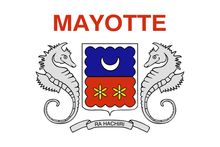 Mayotte Territory
A French department in the Indian Ocean, ringed by one of the world's largest lagoons, where turtles nest on the beaches and humpbacks pass through each winter.
-
40
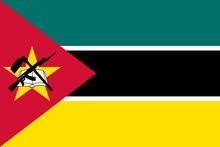 Mozambique
Two and a half thousand kilometres of Indian Ocean coast, with the Quirimbas and Bazaruto archipelagos, Portuguese colonial Ilha de Moçambique and some of the best diving in Africa.
-
41
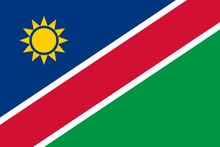 Namibia
The oldest desert on earth, with the orange dunes of Sossusvlei, shipwrecks on the Skeleton Coast and Etosha's salt pan drawing game to its waterholes.
-
42
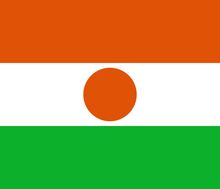 Niger
Niger
The Aïr and Ténéré reserve is the largest protected area in Africa, and Agadez's mud minaret has stood since the 16th century, but the Sahel's security has closed most of it.
-
43
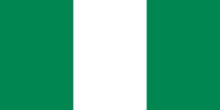 Nigeria
Africa's most populous country and the engine of Afrobeats and Nollywood, with Lagos's energy, Yankari's elephants and the Osun-Osogbo sacred grove.
-
44
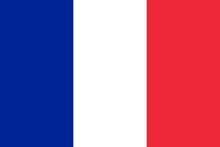 Reunion Territory
A French island east of Madagascar built around Piton de la Fournaise, one of the most active volcanoes on earth, with the three cirques and hiking to match.
-
45
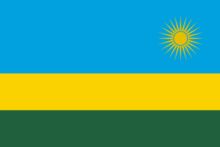 Rwanda
Mountain gorilla trekking in the Virungas, a genocide memorial that does not flinch, and a capital regularly called the cleanest in Africa.
-
46
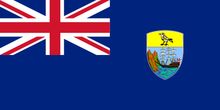 Saint Helena Territory
One of the most remote inhabited islands on earth, 1,900 kilometres from anywhere, where Napoleon was exiled and died — reachable by air only since 2017.
-
47
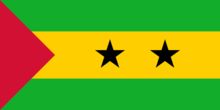 Sao Tome and Principe
Two volcanic islands on the equator, the second-smallest African country, with cocoa plantations, rainforest and a pace that suits nobody in a hurry.
-
48
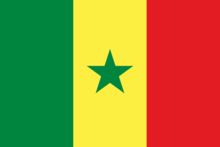 Senegal
Dakar's music scene, Gorée Island's slave house, and the Djoudj bird sanctuary where three million migrating birds arrive from Europe each winter.
-
49
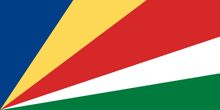 Seychelles
A hundred and fifteen granite and coral islands in the Indian Ocean, with Aldabra's giant tortoises and beaches — Anse Source d'Argent among them — that top most lists.
-
50
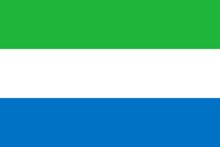 Sierra Leone
Freetown's peninsula beaches are among the best in West Africa, and Tiwai Island holds one of the highest primate densities on earth.
-
51
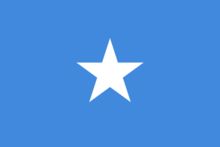 Somalia
Somalia has the longest coastline in mainland Africa and the ancient port of Berbera, but decades of conflict mean almost no travel outside Somaliland.
-
52
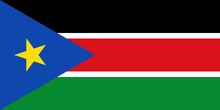 South Sudan
The world's youngest country, independent since 2011, with the Sudd wetland and the Boma-Jonglei antelope migration, one of the largest anywhere and almost unseen.
-
53
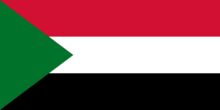 Sudan
Sudan
The Nubian pyramids at Meroë outnumber all of Egypt's and are almost always empty, but civil war has closed Sudan to visitors.
-
54
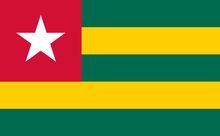 Togo
Togo
A narrow country from Atlantic beach to northern savannah, with the Koutammakou valley's fortified mud tower-houses still lived in as they were built.
-
55
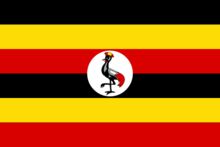 Uganda
Gorilla and chimpanzee tracking, the source of the Nile at Jinja, and Murchison Falls where the river is forced through a seven-metre gap.
-
56
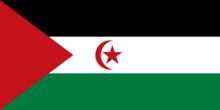 Western Sahara Territory
A disputed territory administered largely by Morocco and claimed by the Sahrawi Republic, with Atlantic fishing towns and desert behind them.
-
57
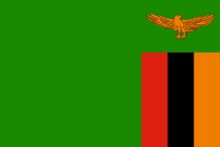 Zambia
Shares Victoria Falls with Zimbabwe, and has South Luangwa — where the walking safari was invented — along with the vast wilderness of Kafue.
-
58
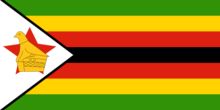 Zimbabwe
The other side of Victoria Falls, plus Hwange's elephant herds and Great Zimbabwe, the stone city that gave the country its name.