Most Popular
Based on Countries Been user data.
-
1
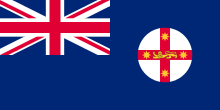 New South Wales
New South Wales is Australia's oldest and most populous state, its identity anchored by Sydney — a harbour city of such physical extravagance that the Opera House and Harbour Bridge have become two of the most recognisable structures on earth. Beyond the capital, the state offers extraordinary variety: the sandstone escarpments and ancient forests of the Blue Mountains begin just 80 kilometres west of Sydney's CBD, the Hunter Valley produces some of Australia's finest Shiraz, and the far north coast around Byron Bay has cultivated a distinct culture of alternative living that draws visitors from across the globe.
-
2
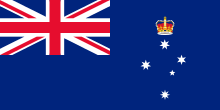 Victoria
Victoria is Australia's most compact mainland state and arguably its most culturally concentrated — Melbourne, the state capital and the country's second largest city, has twice been ranked the world's most livable city and combines world-class restaurants, a thriving arts scene, and one of the great coffee cultures outside Italy. Beyond Melbourne, the Great Ocean Road traces one of the most spectacular coastal drives in the world past the Twelve Apostles limestone stacks, the Otway rainforests and surf beaches of Torquay; the Yarra Valley wine region begins just an hour from the CBD, and the alpine country around Falls Creek and Mount Hotham offers skiing and hiking of genuine quality.
-
3
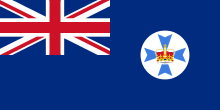 Queensland
Queensland is the state that gave Australia the Great Barrier Reef — the largest coral reef system on earth, stretching 2,300 kilometres along the coast and visible from space, supporting a marine biodiversity that includes more than 1,500 species of fish and provides the planet's most extensive snorkelling and diving destination. The state's tropical north centres on Cairns and Port Douglas, both serving as gateways to both the reef and the ancient Daintree Rainforest, while the Gold Coast south of Brisbane has become Australia's most visited beach destination, its tower blocks and surf breaks drawing millions of domestic and international visitors each year.
-
4
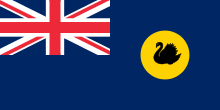 Western Australia
Western Australia is a state of almost inconceivable scale — it is larger than Western Europe and contains within its borders everything from the wildflower-covered Wheatbelt and the ancient Pilbara ranges to the turquoise waters of Ningaloo Reef and the extraordinary geomorphology of the Kimberley plateau. Perth, isolated on the Indian Ocean coast and separated from the rest of Australia's major cities by thousands of kilometres of desert, has developed a distinctly self-sufficient character; it is one of the world's most remote large cities, yet its relaxed coastal lifestyle, world-class food scene, and the wineries of nearby Margaret River make it consistently rewarding.
-
5
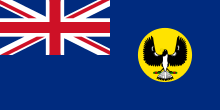 South Australia
South Australia is Australia's driest state and, paradoxically, one of its most gastronomically celebrated — the Barossa Valley and Clare Valley produce world-renowned Shiraz and Riesling respectively, the Adelaide Central Market is one of the finest fresh produce markets in the southern hemisphere, and the Eyre Peninsula is home to some of Australia's most sought-after oyster and tuna fisheries. Adelaide itself is a planned city of graceful parklands and well-preserved colonial architecture that hosts the Adelaide Festival, one of the world's great arts events, every March; in summer, the city becomes a staging post for expeditions into the extraordinary outback landscapes of the Flinders Ranges and the Strzelecki and Simpson deserts.
-
6
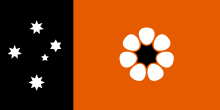 Northern Territory
The Northern Territory occupies the heart of Australia's most dramatic landscapes — Uluru, the great sandstone monolith sacred to the Anangu people, rises from the flat red earth of the Western Desert with a presence that photographs cannot fully capture, its colour shifting through extraordinary ranges of orange and purple in the hours around sunrise and sunset. Darwin, the territory's tropical capital rebuilt after Cyclone Tracy in 1974, serves as the gateway to Kakadu National Park, a UNESCO World Heritage Area of exceptional ecological and cultural significance where Aboriginal rock art sites document human habitation spanning more than 20,000 years.
-
7
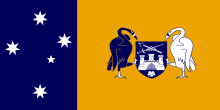 Australian Capital Territory
The Australian Capital Territory was purpose-built as a compromise between Sydney and Melbourne, both of which wanted Australia's capital for themselves, and the planned lakeside city of Canberra that resulted has grown into a surprisingly livable and culturally rich destination. The national institutions concentrated here — the National Gallery, the National Museum, the Australian War Memorial, and Parliament House — constitute the most significant collection of Australian cultural and historical heritage under one roof anywhere in the country. The ACT's surrounding bushland, much of it within Namadgi National Park, offers accessible bushwalking within minutes of the city centre.
-
8
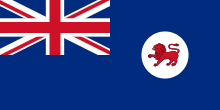 Tasmania
Tasmania is Australia's island state, separated from the mainland by the Bass Strait, and its isolation has preserved both ecological richness and a distinctive cultural character unlike anywhere else in the country. Nearly half of the island is protected within national parks and wilderness reserves that form a UNESCO World Heritage Area — Cradle Mountain-Lake St Clair, the Freycinet Peninsula with its pink granite peaks and turquoise Wineglass Bay, and the wild southwest coast accessible only by boat or air. Hobart, the second oldest capital city in Australia, has been transformed by the MONA gallery — a provocative private museum of modern and ancient art — into one of the southern hemisphere's most talked-about cultural destinations.
-
9
 Jervis Bay Territory
Jervis Bay Territory is a small enclave on the New South Wales south coast, administered separately by the federal government and home to some of the whitest sand beaches in the world — the fine-grained silica of Hyams Beach has been recognised by the Guinness World Records. The protected waters of Jervis Bay Marine Park support year-round populations of bottlenose dolphins and, between May and November, migrating humpback and southern right whales pass close to shore. The Wreck Bay Aboriginal Community maintains a living connection to the land here that predates European settlement by tens of thousands of years.