Most Popular
Based on Countries Been user data.
-
1
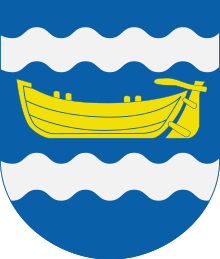 Uusimaa
Uusimaa is Finland's capital region and its most cosmopolitan — centred on Helsinki, a waterfront city of neoclassical Senate Square, the world's highest density of design museums, and a sauna culture so embedded that the public saunas at Löyly and Allas Sea Pool are genuine social institutions rather than tourist attractions. The region encompasses the UNESCO-listed Fortress of Suomenlinna, an 18th-century sea fortress built on an island cluster at Helsinki's harbour mouth and inhabited year-round by 800 people, reached by regular ferry from the market square in a crossing that delivers you from the city's granite waterfront into a military landscape of ramparts, cannons, and submarine pens. The medieval old town of Porvoo — its red riverside warehouses and cobbled Cathedral Hill an easy day-trip from Helsinki — and the design district's concentration of Finnish brand flagships make Uusimaa the most varied single region in a country that rewards close regional attention.
-
2
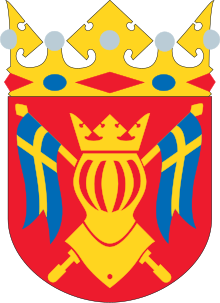 Southwest Finland
Southwest Finland is where the country begins — Turku (Åbo in Swedish) served as Finland's capital until 1812 and remains its oldest and most historically layered city, its medieval castle on the Aurajoki River mouth and the Turku Cathedral constituting the oldest continuously functioning civic and religious buildings in Finland. The Turku Archipelago, extending southwest into the Baltic across an estimated 20,000 islands and skerries, includes the autonomous Åland Islands where Swedish is the only official language and centuries of strategic position between Finland and Sweden have shaped a politics of carefully maintained neutrality. The coastal resort town of Naantali, just west of Turku, houses Moomin World on an island in the bay — the theme park built on Tove Jansson's beloved characters and Finland's most distinctive children's cultural export.
-
3
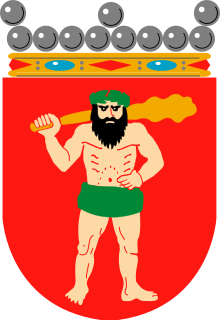 Lapland
Finland's Lapland stretches above the Arctic Circle in a landscape of vast fell wilderness, ancient Sami culture, and winter darkness that transforms into one of the world's most sought-after Northern Lights destinations between September and March. Rovaniemi, the regional capital, has parlayed its position as the 'official hometown of Santa Claus' into Finland's most visited tourism ecosystem, with husky safaris, reindeer farms, and snow-hotel experiences drawing direct charter flights from across Europe each winter. The Urho Kekkonen National Park to the northeast — Finland's largest protected wilderness — offers fell hiking, wolf-watching, and the total silence of the Arctic that has become an increasingly rare luxury in the modern world.
-
4
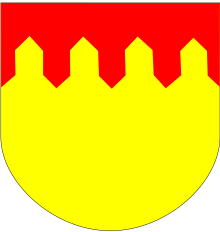 Pirkanmaa
Pirkanmaa is the inland industrial heartland that became something else entirely — Tampere, Finland's third city, was built on the power of the Tammerkoski rapids where two great lakes meet at different elevations, creating a natural waterfall that drove the first Finnish cotton mills in the 1820s and today powers a city of museums, culture, and the most passionate ice hockey fan base in the country. The Lenin Museum in Tampere, housed in the building where Lenin met Stalin for the first time in 1905 at the Tampere Workers' Hall, is a fascinating document of the international socialist networks that criss-crossed Finland in the early 20th century — a museum found nowhere else in Europe. The Tampere Cathedral's celebrated Hugo Simberg frescoes — including The Wounded Angel that appears on Finnish stamps and concert programmes — constitute the most visited single artwork in Finland.
-
5
 Southern Savonia
Southern Savonia is the heart of Finland's most celebrated lakeland — the Saimaa system, Europe's fourth-largest lake by surface area, whose labyrinth of interconnected waters, peninsulas, and islands stretching across 4,400 square kilometres gives the region a coastline longer than Finland's entire sea coast. Savonlinna, perched on a narrow isthmus between two lake basins, is home to Olavinlinna Castle — a 15th-century water fortress built on a rocky islet whose summer Opera Festival has drawn international audiences for over a century, staging Verdi and Donizetti in one of the world's most extraordinary performance settings: medieval stone walls above the still Saimaa lake at midnight. The Saimaa ringed seal, found nowhere else on Earth, makes every lake excursion in Southern Savonia a potential wildlife encounter, and the region's cottage culture — tens of thousands of summer lakeside saunas — defines the Finnish rural ideal at its most authentic.
-
6
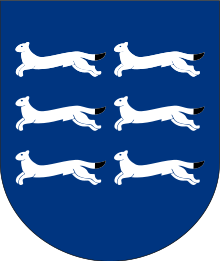 Northern Ostrobothnia
Northern Ostrobothnia stretches along the Gulf of Bothnia coast and northward toward Lapland, its flat coastal plains and river valleys enclosing Oulu — Finland's fifth-largest city and its leading technology hub, where the University of Oulu and the legacy of the Nokia telecommunications cluster have created one of Europe's highest concentrations of engineering and software expertise per capita. Oulu was Finland's most important tar-exporting port throughout the 18th and 19th centuries, a fact documented in the riverside warehouses of Pikisaari island and the wood-house quarters of Rotuaari that survive from the merchant era. The Rokua National Park, rising from an ancient sand dune formation deposited by the retreating glacier 10,000 years ago, is a therapeutic wilderness of pine heath, small crater lakes, and bog landscapes used by Finnish healthcare providers as a recognised treatment environment.
-
7
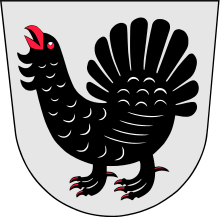 Central Finland
Central Finland is the geographic heart of the country, a landscape of blue lakes and pine forests whose administrative capital Jyväskylä holds the world's highest concentration of buildings designed by Alvar Aalto — making it a required pilgrimage for architecture enthusiasts from every continent who come to trace the development of the Finnish master's ideas from his earliest civic buildings to his mature masterpieces. The region encompasses a significant portion of the Finnish Lakeland, the vast interior lake system covering a third of Finland's surface area that defines the country's visual identity and underlies its quietest tourism experiences. The Neste Rally Finland, one of the fastest and most spectacular stages on the World Rally Championship calendar, brings international motorsport audiences into Jyväskylä's surrounding forests every August.
-
8
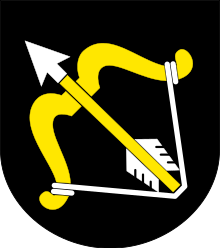 Northern Savonia
Northern Savonia is Finland's deep lakeland heartland, where the interconnected waters of Lake Kallavesi and the greater Saimaa system spread in every direction from the regional capital Kuopio, whose Friday market offers kalakukko — fish-stuffed rye bread loaves — and smoked vendace from lakeside vendors who have supplied the city's square since the 18th century. The Kuopio Dance Festival is one of Finland's most internationally regarded contemporary arts events, drawing choreographers and performers from across Europe each June, while Puijo Tower on the ridge above the city delivers a panoramic lake-and-forest view that has become the defining image of Finnish inland scenery. Tahko ski resort to the east and the cottage-studded shores of Lake Kallavesi make Northern Savonia a genuinely year-round outdoor destination.
-
9
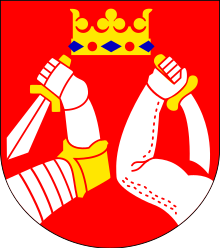 North Karelia
North Karelia extends along Finland's eastern border from the Russian frontier to the wilderness fells of Koli National Park — a landscape of lake, forest, and ridge that inspired the Finnish Romantic painters of the 1890s, whose views from Koli's summit over Pielinen Lake in autumn fog became the defining images of Finnish national identity in the decades immediately preceding independence. Joensuu, the regional capital, is the main Finnish hub for Russian border crossings and the gateway to exploring Karelian cultural heritage that survived on the Finnish side of the border after the 1944 Treaty of Moscow ceded the historical Karelian heartland to the Soviet Union. The Ruunaa Hiking Area in the north, where the Lieksanjoki River rushes through a series of rapids through ancient boreal forest, is one of the most physically rewarding wilderness landscapes in southern Finland, its trail network accessible to walkers of all abilities.
-
10
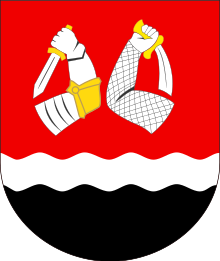 South Karelia
South Karelia clings to Finland's eastern edge along the Russian border, its most significant city Lappeenranta sitting at the southern end of the Saimaa lake system where the 19th-century Saimaa Canal connects the Finnish Lakeland to the Gulf of Finland through Russian territory. The canal's regular passenger service between Lappeenranta and Vyborg — the historically Finnish city now inside Russia — carries travellers through canal locks and lake scenery linking two countries across decades of painful territorial history from the 1940 Winter War and the subsequent annexation. The Saimaa ringed seal, a freshwater seal subspecies whose entire global population of approximately 400 animals lives exclusively in Lake Saimaa, makes Lappeenranta the centre of one of the world's most intensely focused small-population conservation efforts.
-
11
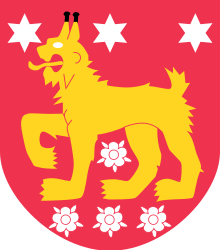 Tavastia Proper
Tavastia Proper is the ancient heartland of Finnish castle culture, where Hämeenlinna — Finland's oldest inland city — grew in the shadow of the 13th-century Häme Castle, one of the best-preserved medieval brick castles in Scandinavia, whose red-orange walls rise directly from the lakeshore in a setting that makes every photograph look composed. The region gave the world Jean Sibelius — born in Hämeenlinna in 1865 — and the Sibelius Childhood Home Museum preserves the interior where Finland's greatest composer spent his early years before the music took him to Helsinki, Paris, and eventually to the forest retreat at Ainola where Finlandia and the seven symphonies were written. The Aulanko Nature Reserve and its castle tower, overlooking the same lake landscape that Sibelius knew intimately, remains one of the most visited natural sites in southern Finland.
-
12
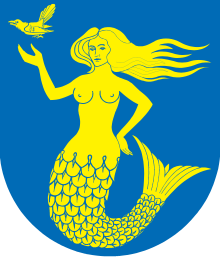 Päijänne Tavastia
Päijänne Tavastia centres on Lahti, Finland's fastest-growing major city, which reinvented itself after Soviet-era industrial decline into one of the country's leading winter sports and outdoor recreation centres — its ski jumps visible from approaching trains, its cross-country skiing trail network the densest of any Finnish city. Lake Päijänne, the longest lake in Finland and the primary fresh water supply for the greater Helsinki area, dominates the regional landscape in a body of water so large that it supports its own summer lake ferry running the full 119-kilometre length between Lahti and Jyväskylä. The Päijänne National Park, protecting the lake's most pristine eastern shore and the ancient rock paintings of Saraakallio visible from the water's surface, is one of the most accessible wilderness areas within a two-hour drive of the capital.
-
13
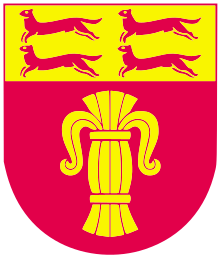 Ostrobothnia
Ostrobothnia is Finland's most Swedish-speaking region — the coastal strip where Finnish-Swedish bilingual culture reaches its highest density, centred on Vaasa (Vasa in Swedish), a city of elegant neoclassical architecture rebuilt on its current site after a catastrophic fire in 1852 destroyed the original town six kilometres to the north. The Kvarken Archipelago off Vaasa's coast, shared with Sweden across the Gulf of Bothnia and a UNESCO World Heritage Site, is one of the world's best examples of post-glacial isostatic uplift — land that is rising from the sea at a rate of 8 millimetres per year as the Earth's crust recovers from the weight of the last ice sheet. The archipelago's tens of thousands of rocky islets, accessible by private boat or summer ferry, constitute one of Finland's most geologically extraordinary and aesthetically rewarding coastal landscapes.
-
14
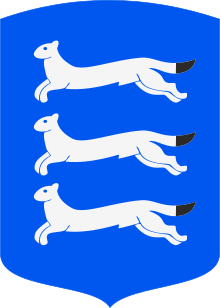 Southern Ostrobothnia
Southern Ostrobothnia is Finland's most distinctly rural region — a vast flat agricultural plain drained by the Kyrönjoki River where the traditional culture of pohjalaistalot (Ostrobothnian farmhouses), with their distinctively high-gabled rooflines and communal granaries, survives in concentrations found nowhere else in the country. Seinäjoki, the regional capital, hosts Tangomarkkinat — the Tango Market Festival — which draws 100,000 visitors annually to Finland's most distinctive popular music event: the competition to crown Finland's new Tango King and Queen in a genre that Finns have claimed as entirely their own cultural property since the 1950s. The landscape's extraordinary flatness creates a sky of unusual scale, and the region's summer sunsets over the grain fields last for hours in the long Nordic evening light.
-
15
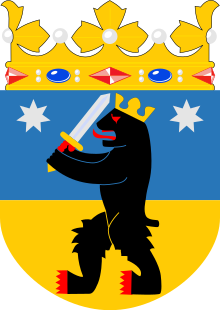 Satakunta
Satakunta is Finland's western coastal province, where the Kokemäenjoki River discharges through a broad delta into the Gulf of Bothnia at Pori — a city whose Jazz Festival fills the riverside parkland each July with the largest jazz audiences in the Nordic countries, transforming a quiet industrial city into a week-long outdoor concert venue of international calibre. Pori sits 15 kilometres from the sea on the river delta, its market square and 19th-century wooden villa quarters reflecting the prosperity of a port town that once exported Finnish timber across the Baltic, while the Yyteri beach on the outer coast stretches in a dune-backed sweep of fine sand that attracts windsurfers, kitesurfers, and Finnish families seeking the closest northern equivalent of a Mediterranean beach experience. The Rauma old town, UNESCO-listed for its exceptionally well-preserved wooden architecture and the Rauma lace tradition — a craft practiced continuously since the 17th century — is the single most visited heritage site in the Finnish coastal west.
-
16
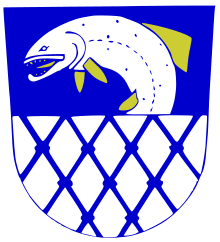 Kymenlaakso
Kymenlaakso occupies southeastern Finland where the Kymi River, after draining the entire Finnish Lakeland through a series of rapids, meets the Gulf of Finland in a delta of wooded islands and fishing traditions that survive from the era when Kotka was the main export port for Russian timber under Tsar Alexander III. The maritime city of Kotka hosts the Maritime Festival each summer, drawing tall ships and historic vessels from across the Baltic to a harbour that once exported more timber than any port in the world, and the Maretarium aquarium on the riverfront documents the full freshwater-to-saltwater ecology of the Kymi River system. Kouvola, the regional capital, is the main access point for Repovesi National Park — a granite ridge landscape of cliffs, hanging suspension bridges, and lake gorges that represents Finland's most dramatic non-Arctic terrain.
-
17
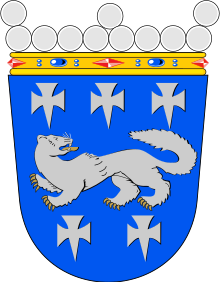 Central Ostrobothnia
Central Ostrobothnia is the smallest of Finland's mainland regions — a compact coastal and river landscape centred on the bilingual coastal town of Kokkola (Karleby in Swedish), whose Dutch Quarter preserves a cluster of 18th-century wooden warehouses around a harbour that was once the most important tar export point in the entire Baltic Sea. The Kaustinen Folk Music Festival held each July draws performers and audiences from across the world to a village of 4,500 people that temporarily becomes the folk music capital of the Nordic countries for one extraordinary week, with kantele concerts, reel dances, and workshops filling every public space. The Lestijoki river valley to the east is one of the best-preserved rural river landscapes in Finland, its traditional fishing culture and ribbed log farmhouses surviving in conditions that most Finnish river valleys lost to 20th-century agricultural development.
-
18
 Kainuu
Kainuu is Finland's least-populated inland region — a vast landscape of ancient boreal forest, pristine lakes, and wilderness that covers an area larger than Switzerland without a single city of international significance, making it one of the last genuinely remote environments in continental Europe. The brown bear population of Kainuu is the densest in Finland, and dedicated photography hides near active berry patches and salmon streams offer some of the continent's most reliable large-predator wildlife encounters, typically from June through August as bears prepare for hibernation. The region's folk music tradition — particularly the kantele (Finnish zither) and ancient runic singing preserved in Kainuu villages — contributed directly to the composition of the Kalevala national epic by Elias Lönnrot, who collected his source material from Kainuu singers in the 1830s.