Most Popular
Based on Countries Been user data.
-
1
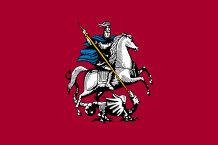 Moscow
Moscow is the beating heart of Russia — a megalopolis of twelve million people where the Kremlin's medieval towers, Red Square's cathedral cupolas, and the neon-lit canyons of Novy Arbat create a skyline unlike any other capital on Earth. The State Tretyakov Gallery holds the world's greatest collection of Russian art from medieval icon painters through Socialist Realism, while the Pushkin Museum of Fine Arts rivals any European gallery for its Western European masterpieces. The Metro system — its stations decorated with marble columns, mosaics, and chandeliers worthy of a palace — is itself one of the most visited and photographed attractions in the city.
-
2
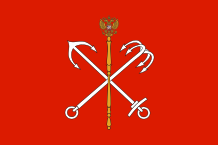 Saint Petersburg
Saint Petersburg is Russia's window to Europe and one of the world's great cities, built from scratch by Peter the Great on a marshy Baltic delta and filled with baroque palaces, canals, and the Hermitage Museum — whose three million objects could occupy a lifetime of looking. The White Nights of June transform the city into a festival of open-air concerts, drawbridge spectacles, and midnight sun wandering that has captivated travellers since the 18th century. Dostoevsky's Crime and Punishment, Tchaikovsky's Swan Lake, and the October Revolution all have their roots in the streets and apartments of this extraordinary imperial capital.
-
3
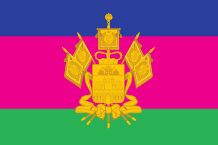 Krasnodar Krai
Krasnodar Krai stretches along the Black Sea coast from the Caucasian foothills to the Taman Peninsula, offering subtropical beaches, ski slopes, and vineyards within the same territory. Sochi hosted the 2014 Winter Olympics and still dazzles visitors with its Rosa Khutor mountain resort perched above a Mediterranean-style riviera. Ancient Meotian settlements and Greek colonies on the Taman shore add archaeological depth to this sun-drenched region.
-
4
 Tatarstan
Tatarstan is Russia's most prosperous republic, where Tatar and Russian cultures have forged a unique civilization over eight centuries of coexistence along the Volga and Kama rivers. Kazan's Kremlin, a UNESCO World Heritage Site, holds both a medieval Orthodox cathedral and a soaring modern mosque within the same white-walled citadel. The republic's petrochemical wealth funds magnificent universities, a thriving food scene, and the annual Kazan International Muslim Film Festival.
-
5
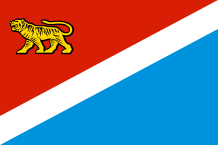 Primorsky Krai
Primorsky Krai is Russia's Pacific gateway — where the Trans-Siberian Railway finally reaches the sea at Vladivostok after 9,289 kilometres from Moscow — a dramatic coastal territory of tiger forest, volcanic islands, and a cosmopolitan port city more Asian than European in its street food, temple architecture, and maritime energy. The Amur tiger, the world's largest cat, survives in the temperate forests of the Sikhote-Alin Biosphere Reserve — a UNESCO World Heritage Site — at a density that makes this the only place on Earth where you have a realistic chance of seeing wild Amur tiger tracks in fresh snow. Vladivostok's famous Golden Horn Bay, spanned since 2012 by an elegant cable-stayed bridge that has become the city's signature image, frames a waterfront of tsarist-era stone buildings, Korean restaurants, and naval vessels that encapsulates the drama of Russia's most far-flung major city.
-
6
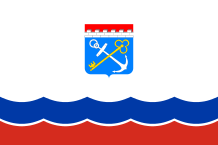 Leningrad Oblast
Leningrad Oblast wraps around the city of Saint Petersburg like a corona of imperial estates, wild coastline, and historic fortresses stretching from the Finnish Gulf to Lake Ladoga. Peterhof's Grand Cascade — 64 fountains powered entirely by gravity — and Tsarskoe Selo's gilded Amber Room replica represent the pinnacle of 18th-century European garden art, both within easy reach of the city. The medieval fortress of Oreshek, which held the Neva's source against Swedish armies for centuries, now stands as a poignant memorial to prisoners who died within its walls during World War II.
-
7
 Sverdlovsk Oblast
Sverdlovsk Oblast spans the Ural mountain spine — the geological boundary between Europe and Asia — and its capital Yekaterinburg is Russia's fourth city: a powerhouse of finance, culture, and history whose most famous event was the 1918 execution of Tsar Nicholas II and his family in the basement of the Ipatiev House. The Church on the Blood, built on the Ipatiev site, attracts pilgrims from across the Orthodox world, while the nearby Ganina Yama monastery marks where the Romanov remains were reportedly destroyed. Nevyansk's leaning tower — a Ural industrialist's eccentric folly of the 18th century — and the granite boulder fields of the Deer Streams nature park round out a region of unexpected depth and drama.
-
8
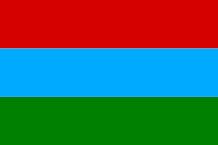 Karelia
Karelia is a land of ten thousand lakes, vast pine forests, and ancient granite shores where Finnish, Russian, and Sami cultures have layered their traces across millennia of continuous habitation. Kizhi Island, a UNESCO World Heritage Site, holds the iconic 22-domed Transfiguration Church — built entirely without nails in 1714 — rising above Lake Onega's mirror surface like a monument to the ingenuity of northern Russian craftsmen. The Ladoga Archipelago's weathered granite islands and the ski trails of Syamozero make Karelia one of Russia's most varied outdoor destinations.
-
9
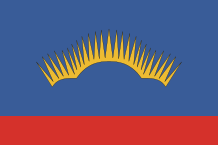 Murmansk Oblast
Murmansk Oblast lies entirely above the Arctic Circle, where the Gulf Stream's warmth keeps the port ice-free year-round — a strategic asset that made this the world's largest city north of the Arctic Circle. The polar night lasts from December through January, but compensates visitors with spectacular displays of the Northern Lights that paint the sky above the Kola Peninsula in ribbons of green, violet, and white. The region's Sami reindeer herders, Barents Sea cod fisheries, and the nuclear icebreaker Lenin — now a museum ship at Murmansk's quay — define the character of this extraordinary Arctic frontier.
-
10
 Yaroslavl Oblast
Yaroslavl Oblast is the heart of the Golden Ring — Russia's most concentrated circuit of medieval cities — where Yaroslavl's Kremlin, Church of Elijah the Prophet, and 17th-century trading quarter together constitute a UNESCO World Heritage Site of exceptional completeness. Rostov Veliky rises above Lake Nero with a white-walled kremlin so cinematically perfect it has appeared in dozens of Russian historical films, its belfry bells audible from kilometres away. The Spaso-Yakovlevsky Monastery at Rostov and the Tolga Convent near Yaroslavl bring two of Russia's finest monastic traditions within easy reach of each other along the Volga's upper banks.
-
11
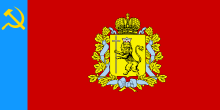 Vladimir Oblast
Vladimir Oblast is the spiritual treasury of ancient Rus, where the White-Stone Monuments of Vladimir and Suzdal — a UNESCO World Heritage Site — contain the oldest surviving cathedrals of pre-Mongol Russia in settings of extraordinary pastoral beauty. Suzdal, a town of 12,000 people with over 50 churches, 5 monasteries, and an entire ring of kremlin walls, delivers more medieval Russian architecture per square kilometre than anywhere else on Earth. The Golden Gate of Vladimir, built in 1164, still stands at the western entrance to a city that was once the capital of all northern Russia.
-
12
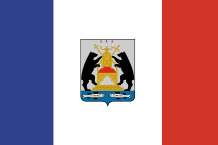 Novgorod Oblast
Veliky Novgorod was medieval Russia's greatest city — a trading republic whose birch-bark letters and democratic veche assemblies made it unlike anything else in the Slavic world, and whose cathedral of Hagia Sophia echoes Constantinople itself. The Novgorod Kremlin — older than Moscow's — and the monastery of Yuriev form one of Russia's most intact medieval ensembles, earning UNESCO inscription as Historic Monuments of Novgorod. The Valdai National Park to the south protects pristine lake landscapes where monasteries float like mirages on wooded islands.
-
13
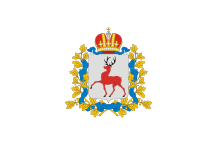 Nizhny Novgorod Oblast
Nizhny Novgorod commands the confluence of the Volga and Oka rivers from a high limestone bluff, its medieval kremlin watching over what was once Russia's commercial capital and the site of the world's largest trade fair. The Nizhny Novgorod Fair drew merchants from Persia, China, and Central Asia for two months every summer, and the city's heritage survives in the painted wooden mansions of Bolshaya Pokrovskaya street. Gorky — the city's Soviet-era name, honoring its most famous son Maxim Gorky — echoes in the Volga river landscapes that inspired the writer's celebrated autobiographical trilogy.
-
14
 Altai Republic
The Altai Republic is one of Russia's great wilderness destinations, where the Golden Mountains of Altai — a UNESCO World Heritage Site — encompass the Katun River's turquoise braids, the massive Belukha glacier (Russia's highest point outside the Caucasus at 4,506 m), and the ancient Pazyryk burial mounds whose frozen permafrost preserved Iron Age horse equipment, textiles, and tattooed mummies of extraordinary quality. The Chuysky Tract highway, ranked among the world's most beautiful roads by the National Geographic Society, threads the 1,000-kilometre route from Biysk to Mongolia through landscapes that shift from forest to steppe to stone desert within a single day's drive. Shamanic traditions of the Altai people, their throat-singing khai music, and the sacred sites of the Ukok Plateau make this a destination for both adventure travellers and those seeking spiritual depth in remote places.
-
15
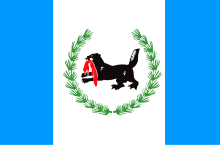 Irkutsk Oblast
Irkutsk Oblast is the gateway to Lake Baikal — the world's oldest, deepest, and most voluminous lake, holding one-fifth of all the Earth's liquid fresh water in a rift valley so ancient that its fish species have evolved in isolation for 25 million years. The Circumbaikal Railway, carved from solid limestone along the lake's western shore in the early 20th century, is one of Russia's engineering masterpieces and now serves as a scenic tourist route through tunnels, trestles, and clifftop vistas above the impossibly clear blue water. Irkutsk itself, founded in 1661, preserves the finest ensemble of Siberian wooden architecture in Russia — whole neighbourhoods of carved-facade mansions whose craftsmen developed an intricacy of ornament unique to the Irkutsk school.
-
16
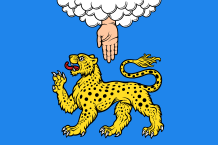 Pskov Oblast
Pskov stands where the medieval Pskov Republic — rival of Novgorod and first line of defence against the Livonian Knights — left behind a fortress tradition unmatched in Russia, from the city's own Kremlin to frontier fortresses at Izborsk and Porkhov. The Pskov-Pechersky Monastery has operated without interruption since the 15th century, its white-walled cells and golden onion domes embedded into a hillside like a painted icon. Pushkinskiye Gory, where Alexander Pushkin spent his exile and is buried, draws literary pilgrims to the Mikhailovsky estate's birch-lined lanes every summer.
-
17
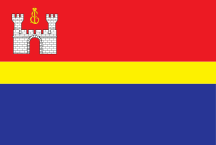 Kaliningrad Oblast
Kaliningrad Oblast is Russia's westernmost exclave — a sliver of former East Prussia sandwiched between Poland and Lithuania on the Baltic Sea, where German Gothic brick architecture, Soviet-era panel housing, and a rebuilt medieval cathedral coexist in improbable harmony. The Curonian Spit, shared with Lithuania and a UNESCO World Heritage Site, is a razor-thin strip of sand dunes separating the lagoon from the open Baltic, its forests sheltering migrating birds from across Eurasia. Kaliningrad's amber coast supplies roughly 90 percent of the world's commercial amber, and the regional museum's collection rivals anything on Earth.
-
18
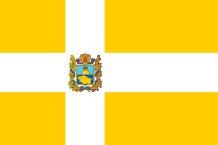 Stavropol Krai
Stavropol Krai is the gateway to the Caucasian spa cities — Pyatigorsk, Kislovodsk, Essentuki, and Zheleznovodsk — where Imperial-era sanatoriums crown mineral-spring hilltops and the therapeutic waters have drawn Russian aristocracy since Pushkin's time. Pyatigorsk's Mount Mashuk commands panoramic views of the five-peaked Beshtau volcano cluster, and the spot where Lermontov was fatally duelled is marked by a modest obelisk. The broad Stavropol steppe transitions southward into dramatic foothills, creating one of Russia's most varied landscapes within a single region.
-
19
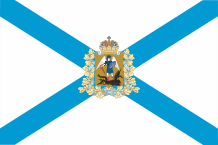 Arkhangelsk Oblast
Arkhangelsk Oblast stretches from the White Sea coast to the archipelago of Novaya Zemlya, encompassing some of Russia's most remote and spiritually resonant landscapes. The Solovetsky Archipelago — a UNESCO World Heritage Site and former Soviet Gulag site — holds a 15th-century monastery of extraordinary architectural beauty on its largest island, accessible only by ferry across the summer White Sea. The oblast's village churches, built in the traditional Russian Northern style, represent the largest surviving concentration of wooden religious architecture anywhere on Earth.
-
20
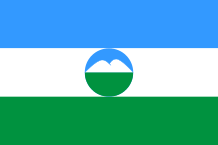 Kabardino-Balkaria
Kabardino-Balkaria reaches skyward to Mount Elbrus, the highest peak in Europe at 5,642 metres, drawing mountaineers, skiers, and trekkers to its cable cars and glaciated flanks year-round. The Baksan Valley is the traditional gateway to the Caucasian high country, lined with alpine villages where Balkar shepherds have driven their flocks for centuries. Nalchik, the quiet republic capital, surprises visitors with a leafy spa park and one of Russia's highest concentrations of outdoor sporting infrastructure.
-
21
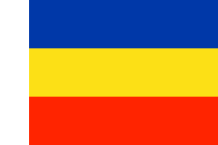 Rostov Oblast
Rostov Oblast commands the Don River delta and the Sea of Azov, where the Don Cossack homeland has defined a culture of martial horsemanship, folk music, and fierce independence since the 16th century. Rostov-on-Don — Russia's gateway to the Caucasus — is a boisterous southern city of shaded promenades, covered markets selling Azov Sea fish, and a lively music scene built on the Don Cossack choral tradition. Azov's medieval fortress, the ancient Greek colony of Tanais, and the sprawling Kobona reed beds along the river delta offer archaeological and ecological riches that most international visitors overlook entirely.
-
22
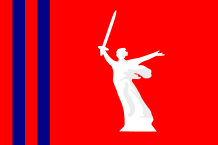 Volgograd Oblast
Volgograd — the former Stalingrad — carries the most consequential name in 20th-century military history, where the 1942–43 battle that turned the tide of World War II was fought in the ruins of a city reduced to rubble by the most intense urban combat ever recorded. The Mamayev Kurgan memorial complex crowns the city's central hill with The Motherland Calls — an 85-metre concrete statue that remains the tallest free-standing sculpture in Europe — overlooking a city rebuilt from absolute destruction. The city's waterfront along the Volga, its panoramic cable car crossing the river, and the Don-Volga canal make Volgograd far more than a war memorial.
-
23
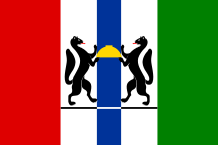 Novosibirsk Oblast
Novosibirsk is Siberia's capital city — a self-confident metropolis of 1.6 million people that grew from a railway crossing of the Ob River in 1893 to Russia's third city within a century, its opera house, philharmonic hall, and ballet company rivalling institutions in Moscow and Saint Petersburg. Akademgorodok, the Academic Town built south of the city in the 1950s to house the Soviet Union's greatest scientific minds, remains an active research campus of 35 institutes and 65,000 scientists, a green oasis of pine forest and mid-century academic architecture where Nobel laureates once walked. The Ob Sea — the massive Novosibirsk Reservoir — turns the city into a summer beach destination for two months a year, its kilometres of sandy shores giving Novosibirsk a Mediterranean quality that utterly belies its Siberian latitude.
-
24
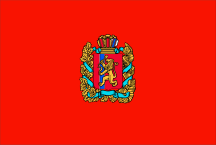 Krasnoyarsk Krai
Krasnoyarsk Krai spans eleven time zones from the Sayan Mountains to the Arctic Ocean, encompassing some of the world's most dramatic untouched wilderness — the Putorana Plateau's table-top mountains and multi-tiered waterfalls constitute a UNESCO World Heritage Site of geological and ecological significance unrivalled in Siberia. The Stolby Nature Reserve, a 15-minute tram ride from the centre of Krasnoyarsk, is a surreal landscape of sculpted syenite rock pillars that gave birth to a uniquely Siberian rock-climbing culture — the Stolby climbers — who developed their own techniques and philosophy in the 19th century. The Yenisei River, one of the world's great river systems, bisects the krai from south to north in a journey through forest, tundra, and Arctic delta that remains one of the most remote and rewarding river voyages on Earth.
-
25
 Sakha Republic
The Sakha Republic (Yakutia) is Russia's largest federal subject and one of the world's most extreme environments — home to the Pole of Cold at Oymyakon, where the thermometer has officially recorded -71.2°C, and to the Lena Pillars, a UNESCO World Heritage Site of Precambrian limestone towers rising vertically from the Lena River in formations that evoke a geological cathedral. The Sakha people's culture — their olonkho epic poetry (UNESCO Intangible Heritage), ivory carving, and extraordinary gold and silver smithing — represents one of the richest artistic traditions of any Indigenous Siberian people. Yakutsk, founded 1632, is the world's largest city built on continuous permafrost, its buildings raised on stilts above frozen ground that buckles and heaves with each freeze-thaw cycle, creating an urban landscape unlike anywhere else on Earth.
-
26
 Kamchatka Krai
Kamchatka is Russia's ultimate wilderness — a 1,200-kilometre volcanic peninsula thrusting into the Pacific between the Sea of Okhotsk and the Bering Sea, where 160 volcanoes (29 of them active) have built a landscape of geysers, steaming mud calderas, and glaciated cones that look like the planet Earth before civilisation arrived. The Valley of the Geysers, a UNESCO World Heritage Site within the Kronotsky Nature Reserve, is one of only five geyser fields on Earth and the only one in Eurasia, its 90 actively erupting vents spraying boiling water above a canyon floor of rainbow-hued thermal deposits. The world's largest gathering of wild Kamchatka brown bears — up to 100 animals fishing simultaneously in the Kurilskoye Lake's sockeye salmon run — is one of the planet's great wildlife spectacles, accessible only by helicopter from Petropavlovsk-Kamchatsky.
-
27
 Buryatia
Buryatia occupies the eastern and northern shores of Lake Baikal — the spiritual heartland of Russian Buddhism, where the Ivolginsky Datsan, the centre of Buddhism in the Russian Federation, shelters the incorrupt body of Dashi-Dorzho Itigilov, a lama found perfectly preserved in a seated meditation posture 75 years after his 1927 death. The Selenga River Delta, where that great Mongolian river fans into Baikal through an immense wetland of reeds and bird-rich shallows, is one of the finest migratory bird sites in all of Asia. Ulan-Ude, the Buryat capital, contains one of the world's largest Lenin head sculptures in its central square — 7.7 metres of bronze looking east toward Mongolia — creating an image of Soviet iconography in an Asian Buddhist city that is quintessentially Siberian.
-
28
 Khabarovsk Krai
Khabarovsk Krai occupies a vast territory along the Amur River's lower reaches and the Okhotsk Sea coast, connecting the Russian Far East with a sweep of wilderness broken only by the city of Khabarovsk and a handful of remote settlements. Khabarovsk city sits elegantly above the Amur on a series of bluffs, its Amur embankment boulevard providing some of Russia's finest river promenade walking alongside the bronze monument to the city's Cossack founder Yerofei Khabarov. The Shantar Archipelago in the Sea of Okhotsk — accessible only by helicopter or icebreaker — is one of the world's premier sites for whale watching, where beluga and bowhead whales congregate in summer waters of extraordinary clarity.
-
29
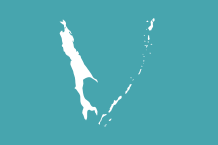 Sakhalin Oblast
Sakhalin Island stretches 950 kilometres between the Pacific Ocean and the Sea of Okhotsk — an elongated wilderness of coniferous forest, volcanic mud pools, and salmon-choked rivers that was divided between Russia and Japan until 1945, leaving ghost-town remnants of Japanese-era paper mills and resort hotels as an eerie historical palimpsest. The Kuril Islands chain extends 1,300 kilometres southwestward from Kamchatka toward Hokkaido, offering some of the most spectacular volcanic landscapes in the world: active calderas, fumarole fields, and sea cliffs inhabited by red-crowned cranes, sea otters, and Steller sea lions on islands still disputed between Russia and Japan. Sakhalin's offshore oil and gas fields, developed in partnership with international energy companies, have transformed the island's economy since the 1990s while also making it a cause célèbre for Pacific environmental campaigners.
-
30
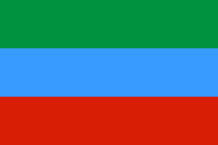 Dagestan
Dagestan is Russia's most ethnically diverse republic — home to over 30 distinct languages and ethnic groups in a mountain territory smaller than Great Britain — and its ancient mud-brick villages clinging to sheer cliff faces above river gorges represent some of the most spectacular inhabited landscapes in the world. Derbent, on the Caspian shore, is Russia's oldest continuously inhabited city, its 5th-century Persian citadel and fortification walls a UNESCO World Heritage Site guarding the narrow coastal pass that armies from Alexander the Great to the Mongols have marched through. The Gunib plateau where Imam Shamyl made his final stand against Russian imperial expansion in 1859 remains a place of profound national memory for Dagestani highlanders.
-
31
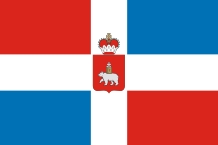 Perm Krai
Perm Krai is where European Russia tips over into Asia, where the Ural Mountains' eastern slopes descend to the Kama River and where the limestone Kungur Cave — five kilometres of underground galleries, subterranean lakes, and ice formations — has been one of Russia's most visited natural attractions since the 19th century. The Perm-36 Gulag museum, operating on the preserved grounds of one of the last Soviet-era labour camps, offers the most complete immersive documentation of camp conditions anywhere in Russia — an experience that arrives quietly and stays long after you've left. Perm's contemporary art scene, centred on the PERMM Museum of Contemporary Art and the Diaghilev Festival that echoes the impresario's Perm origins, has made the Ural river city one of Russia's most energetic cultural destinations outside the two capitals.
-
32
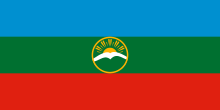 Karachay-Cherkessia
Karachay-Cherkessia guards the highest Caucasian passes along Russia's southern frontier, where the Dombay ski resort has attracted mountaineers and skiers since the Soviet era. The Arkhyz valley shelters a string of ancient Alanic temples — Byzantine-era stone churches that predate Christianity's arrival in Kievan Rus by decades. Europe's largest telescope, the BTA-6, is housed in the Special Astrophysical Observatory perched above the clouds at 2,070 metres altitude.
-
33
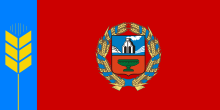 Altai Krai
Altai Krai is the agricultural breadbasket of Siberia, but its foothills and river valleys also contain a string of therapeutic spa resorts — Belokurikha chief among them — whose radon-rich mineral waters have been prescribed by Russian doctors since the early 20th century. Barnaul, the regional capital, sits on the Ob River with a compact city centre of Constructivist and Stalinist architecture and a regional studies museum documenting Siberian prehistory, the Altai Mountain peoples, and the silver-mining history of the Kolyvano-Voskresensky works. The steppe-to-mountain transition at the region's southern edge — where wheatfields give way suddenly to pine forest and rushing rivers — is one of Siberia's most visually dramatic landscape boundaries.
-
34
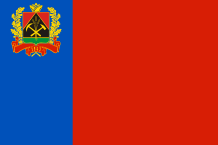 Kemerovo Oblast
Kemerovo Oblast — Kuzbass — contains the Kuznetsk Coal Basin, one of the world's largest coal deposits, but also Sheregesh, which has become Russia's most popular ski resort outside of Sochi for its long Siberian season, powdery snow, and reliably cold temperatures that preserve perfect off-piste conditions through April. The Mountain Shoria wilderness surrounding Sheregesh shelters ancient Shor and Teleut cultural traditions alongside one of Siberia's most spectacular mountain landscapes, accessible by a gondola system that opened in 2019. Novokuznetsk, Kuzbass's largest city, preserves a remarkable Kuznetsk fortress — one of Siberia's finest 18th-century military constructions — where Dostoevsky was married to his first wife in 1857.
-
35
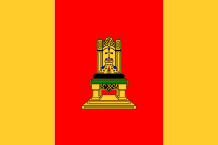 Tver Oblast
Tver Oblast lies on the main water highway between Moscow and Saint Petersburg, where the Volga River begins its four-thousand-kilometre journey to the Caspian from the modest source spring at Volgoverkhovye, marked by a small chapel in a forest clearing. Tver was the rival of Moscow for supremacy over medieval Russia before the Muscovites crushed its independence in 1485, and its kremlin park retains the layout of the old fortress above the river. Seliger Lake, a summer resort beloved by Muscovites since Soviet times, draws sailors, kayakers, and pilgrims visiting the Nilova Pustyn Monastery on its largest island.
-
36
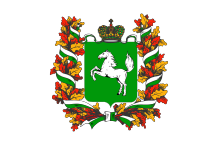 Tomsk Oblast
Tomsk Oblast is Siberia's intellectual heartland, home to one of Russia's oldest and most celebrated university cities, where ornate wooden mansion facades survive as a living museum of 19th-century academic culture. The Tomsk State University, founded in 1888, anchors a city that has produced Nobel laureates and aerospace engineers in roughly equal measure. Dense taiga forests cover over 60 percent of the oblast, sheltering wolverine, sable, and vast cedar groves.
-
37
 Adygea
Adygea is a compact mountain republic nestled within Krasnodar Krai's borders, where the Circassian Adyghe people have maintained their distinctive culture, horseback traditions, and warrior code of Xabze for millennia. The Lagonaki Plateau rises to dramatic limestone karst formations, alpine meadows, and cave systems that draw cavers, hikers, and naturalists from across Russia. Rufabgo waterfalls and the Grand Canyon of the Caucasus — the Belaya River gorge — reward visitors with scenery rivaling anything in the western mountains.
-
38
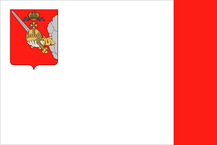 Vologda Oblast
Vologda Oblast is a northern Russian region famous for intricate lace-making and centuries-old monasteries rising above the Vologda River. The Ferapontov Monastery holds Dionisy's extraordinary 15th-century frescoes — a UNESCO World Heritage Site painted without a single retouching. Wooden churches scattered across misty meadows make this one of Russia's most authentically preserved heartlands.
-
39
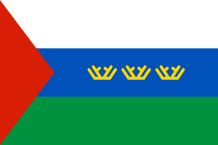 Tyumen Oblast
Tyumen Oblast sits atop the world's largest oil and natural gas fields, transforming what was once a remote Siberian backwater into one of Russia's most affluent regions. The city of Tyumen, founded in 1586 as Siberia's first Russian settlement, retains elegant 19th-century merchant architecture alongside ultra-modern energy industry headquarters. Hot springs discovered during oil drilling now feed a string of recreational parks that draw visitors from across western Siberia.
-
40
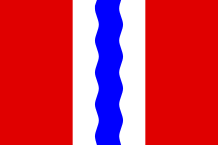 Omsk Oblast
Omsk Oblast sits at the junction of the Irtysh and Om rivers in the flat West Siberian Plain, its capital city rising to unexpected elegance from the Trans-Siberian railway with a theatre building that rivals any in Russia and a riverside boulevard of restored merchant-era stone architecture. Dostoevsky spent four years in Omsk's military prison camp — the 'Dead House' of his memoir Notes from a Dead House — and the museum built in his reconstructed cell offers one of Russia's most intimate encounters with 19th-century literary biography. The Muromtsevo resort district to the north, with its lake archipelago and pine forests, has been drawing Siberians for summer weekends since the Soviet era.
-
41
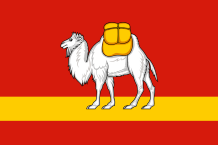 Chelyabinsk Oblast
Chelyabinsk Oblast straddles the Ural mountain spine between Europe and Asia, its industrial heartland producing the tanks and shells that sustained the Soviet war effort during World War II from factories relocated out of reach of German bombers. In 2013, a 20-metre meteorite superbolide exploded in the atmosphere above Chelyabinsk city with the energy of thirty Hiroshima bombs, depositing a 650-kg fragment at the bottom of Lake Chebarkul — now displayed in the regional museum. The Taganay and Zyuratkul national parks offer dramatic quartzite ridges and the possibility of seeing brown bears in terrain barely an hour from the city limits.
-
42
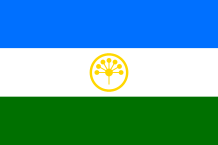 Bashkortostan
Bashkortostan is the gateway to the southern Urals, where limestone ridges, rushing rivers, and birch-oak forests shelter Europe's largest cave system at Shulgan-Tash — also known as Kapova Cave — whose 16,000-year-old mammoth paintings are among the oldest surviving works of art in Russia. The republic's Bashkir horse breed, its flower-rich steppe honey celebrated as the purest in Russia, and its tradition of bakhsy folk singing give Bashkortostan a cultural identity as distinct as any in the federation. Ufa, the republic's modern capital, sits at the confluence of the Belaya and Ufa rivers, its opera house and ethnographic museum providing a sophisticated urban counterpoint to the wild Ural backcountry.
-
43
 Udmurtia
Udmurtia is the birthplace of the Kalashnikov rifle — the AK-47, designed in Izhevsk by Mikhail Kalashnikov in 1947 and produced in its city factories in quantities that have made it the most widely manufactured weapon in human history. The Udmurt people maintain a Finno-Ugric cultural tradition of intricate embroidery, ritual communal prayer houses, and a musical heritage that connects them to Baltic kin peoples far to the west. The Votkinsk State Historical and Cultural Reserve, birthplace of Pyotr Tchaikovsky, draws music pilgrims to the composer's wooden family home overlooking the Votka River.
-
44
 Chechnya
Chechnya has transformed itself in the two decades since its devastating wars into a republic of gleaming mosques, towers of glass, and mountain resorts whose dramatic Caucasian scenery — the Argun Canyon, the Vedeno fortress ruins, and the green valleys of the Sharo-Argun — rivals anything in the Caucasus. Grozny, rebuilt from near-total destruction, now sparkles with the Heart of Chechnya Mosque — one of Europe's largest — its illuminated minarets reflected in the Sunzha River against a backdrop of skyscrapers in a skyline that symbolises the republic's controversial reinvention. The Chechen highlands shelter medieval defensive towers similar to those of Ingushetia and Georgia, their stone stairways climbing into cloud-hung peaks where watchtowers have guarded mountain passes since the Iron Age.
-
45
 Komi Republic
The Komi Republic's primeval forests — the Yugyd Va National Park — form the largest area of intact boreal forest in Europe, a UNESCO World Heritage Site where Siberian cedar, fir, and spruce stretch unbroken to the horizon above rivers whose salmon runs have never been commercially exploited. Syktyvkar, the republic's capital, contains an excellent regional museum documenting the Komi people's Finno-Ugric language, traditional costume, and shamanic practices that survived Soviet-era suppression with remarkable tenacity. The Pechora coal basin in the republic's north, served by the legendary Vorkuta railway built by Gulag labour, forms one of Russia's most poignant landscapes of industrial ambition and human tragedy.
-
46
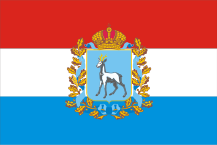 Samara Oblast
Samara Oblast preserves one of World War II's most extraordinary secrets: Stalin's personal underground bunker beneath the city centre, excavated in 1942 at 37 metres depth in just nine months, kept secret until 1990 and now open for tours through its air-locked command rooms. The Zhiguli Mountains — a rare Volga-side ridge barely 400 metres tall but dramatically scenic — shelter the Zhiguli Nature Reserve and the Samara Bend National Park, where the river makes its spectacular 170-kilometre U-turn around a limestone plateau. Samara's riverfront embankment, the longest in Russia, lined with beer gardens and folk music stages in summer, embodies the relaxed confidence of a prosperous Volga city that has never needed to shout.
-
47
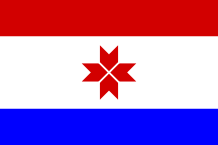 Mordovia
Mordovia preserves the ancient Erzya and Moksha Finno-Ugric cultures deep in the European Russian heartland, where village elders still recall embroidery patterns older than the Mongol yoke. Saransk, rebuilt to gleaming modernity for the 2018 FIFA World Cup, pairs contemporary architecture with the republic's renowned fine-arts tradition. The Mordovian State Reserve shelters one of the last intact broadleaf forest ecosystems between the Oka and Sura rivers.
-
48
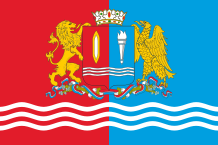 Ivanovo Oblast
Ivanovo Oblast is the textile capital of Russia, where the cotton industry funded merchant mansions of extraordinary richness and created a revolutionary working class that made the city a crucible of 1905 uprising politics. The city of Ivanovo itself became the first Soviet in Russian history, and its Constructivist architecture documents a moment when workers genuinely believed a better world was possible. Ples, where the landscape painter Levitan created his most celebrated Volga landscapes, dots the Kineshma River with the quiet charm of Golden Ring side routes less travelled.
-
49
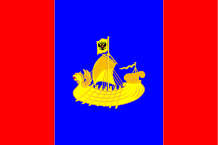 Kostroma Oblast
Kostroma Oblast is the cradle of the Romanov dynasty, where in 1613 a young Mikhail Romanov was summoned from the Ipatiev Monastery to accept the throne of a Russia shattered by the Time of Troubles, inaugurating three centuries of imperial rule. The monastery itself — its walls reflected in the Kostroma River — remains one of Russia's finest examples of 17th-century ecclesiastical architecture, housing the throne room where the fateful decision was made. Kostroma city's trading arcades and Susanin Square preserve a Georgian neoclassical ensemble almost unique in provincial Russia.
-
50
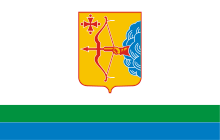 Kirov Oblast
Kirov Oblast — Vyatka Land — is the homeland of the Dymkovo clay toy: painted in bold patterns of red, blue, and gold by village women whose tradition dates to the 15th-century Svistoplyas spring fair and is now recognised as a UNESCO Intangible Cultural Heritage. Kirov city sits on high bluffs above the Vyatka River, its old commercial quarter of painted-wood mansions and red-brick warehouses evoking a prosperous 19th-century merchant town that the Soviets industrialised but never entirely erased. The Nurgush Nature Reserve to the south protects river meadow ecosystems of exceptional botanical richness, including several orchid species found nowhere else in the Russian north.
-
51
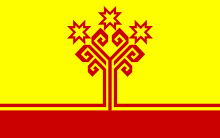 Chuvashia
Chuvashia is the homeland of the Chuvash people — the last surviving descendants of the Volga Bulgars — whose embroidered costumes, ancient pantheon of gods, and hop-farming tradition distinguish them from every neighbouring culture along the middle Volga. Cheboksary, the republic's capital, sits above the Volga reservoir on a series of ravines that the Soviet era transformed into a charming bay of parks, fountains, and promenades, and the city's museum of Chuvash embroidery holds costume collections of museum-quality beauty. The Alatyr and Sura rivers cut through landscapes of oak-pine forest that shelter rare woodpeckers and one of Russia's most intact broadleaf ecosystems in European Russia.
-
52
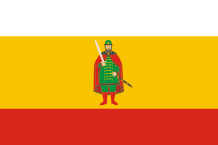 Ryazan Oblast
Ryazan Oblast preserves the memory of Old Ryazan — the ancient capital sacked so completely by Batu Khan's Mongol horde in 1237 that a new city had to be founded 60 kilometres away — in an extraordinary open-air archaeological reserve on the Oka's bluffs. The present Ryazan kremlin is one of central Russia's finest, its Cathedral of the Assumption rising to an ornate 17th-century baroque drum visible from many kilometres across the Oka floodplain. Konstantinovo, birthplace of the peasant poet Sergei Yesenin, sits in a meadow above the Oka with the pastoral beauty his poems celebrated so intensely.
-
53
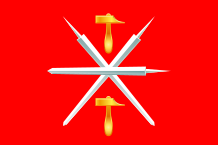 Tula Oblast
Tula Oblast is inseparable from three great Russian traditions: the elaborately decorated samovar, the honey-spice pryanik gingerbread biscuit, and the Tula-arms factory whose gunsmiths built Russian military power for over three centuries. Yasnaya Polyana, Leo Tolstoy's estate and final resting place, lies 14 kilometres from the city in a setting of deep birch forest and apple orchards that have changed remarkably little since Anna Karenina was written at the desk overlooking the garden. The Kulikovo Field memorial, marking the 1380 battle where Dmitry Donskoy first broke Mongol suzerainty, stands as one of Russia's founding national sites.
-
54
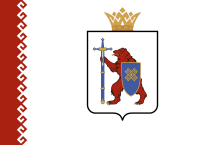 Mari El
Mari El is the spiritual homeland of the Mari people, who have preserved a living pre-Christian religion of sacred groves — keremet — and seasonal ritual rites that have survived every imperial and Soviet attempt at suppression, making this one of Europe's last functioning pagan traditions. The Vetluga and Ilet rivers cut through a landscape of mixed forest, oxbow lakes, and riverside meadows where seasonal flooding creates some of central Russia's finest wetland birding. Yoshkar-Ola, the Mari capital, underwent a surprising transformation in the 2000s when city authorities built a Venetian-Gothic waterfront of coloured facades along the Kokshaga River — incongruous, exuberant, and entirely unique.
-
55
 Nenets Autonomous Okrug
The Nenets Autonomous Okrug is one of Russia's most sparsely populated territories — a vast Arctic tundra of permafrost lakes and reindeer migration routes stretching from the Ural foothills to the Pechora Sea. The nomadic Nenets herders, who follow their reindeer across some 1,000 kilometres of seasonal migration routes between winter and summer pastures, maintain one of the last fully nomadic lifestyles in the northern hemisphere. Naryan-Mar, the okrug's only significant town, is accessible primarily by aircraft and river boat, making the Nenets lands among Russia's least visited and most atmospheric Arctic territories.
-
56
 Yamalo-Nenets Autonomous Okrug
Yamalo-Nenets Autonomous Okrug sits atop the world's largest natural gas reserves — the Urengoy and Medvezhye fields that have fuelled European heating for half a century — in a landscape of tundra, river deltas, and frozen sea that feels entirely otherworldly for those who reach it. The Yamal Peninsula, whose name means 'end of the world' in Nenets, juts 700 kilometres into the Kara Sea, where thawing permafrost is releasing ancient methane craters appearing with increasing frequency as a signature of Arctic warming. Salekhard, the okrug's capital, is the only city on Earth situated exactly on the Arctic Circle, its Cossack fort and Nenets reindeer festivals drawing a small but growing stream of polar visitors.
-
57
 Khanty-Mansi Autonomous Okrug
Khanty-Mansi Autonomous Okrug — Yugra — sits atop Russia's greatest oil wealth, producing over half the country's petroleum output from a landscape of taiga forest, river floodplains, and frozen bogs whose surface gives no hint of the hydrocarbon deposits thousands of metres below. Khanty-Mansiysk, the okrug's compact capital, built a world-class biathlon complex that has hosted World Championship races, and the Museum of Nature and Man preserves Khanty and Mansi Indigenous artefacts — carved bone, birch bark containers, and shaman drums — of museum-quality beauty. The Yugra National Park protects vast river floodplain forests where Ob River pike and taimen still grow to record sizes in unpolluted channels.
-
58
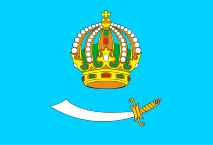 Astrakhan Oblast
Astrakhan Oblast commands the Volga Delta — one of Europe's great wildlife spectacles, where 500 channels and 80,000 islands spread over 18,000 square kilometres of shallow reed beds before emptying into the landlocked Caspian Sea. The Astrakhan Nature Reserve, established in 1919 as one of the Soviet Union's first protected areas, safeguards pink lotus beds, pelicans, flamingos, and the world's largest sturgeons — though the Caspian beluga's commercial harvest has been banned since the 2000s. Astrakhan city is a crossroads of Tatar, Armenian, and Persian merchant traditions, its cream-coloured kremlin and covered market pavilions recalling the centuries when the city controlled the Caspian silk route.
-
59
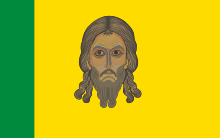 Penza Oblast
Penza Oblast is associated above all with Mikhail Lermontov, who spent his boyhood at Tarkhany estate — now one of Russia's finest literary museums — its park and manor house preserved as they were when the future poet of the Caucasus collected insects in the meadow. The Penza regional museum holds a remarkable collection of paintings and archaeological finds that outline human habitation of the middle Sura River valley from the Neolithic to the 18th century. The oblast's network of country estates, village churches, and old-growth lime forests provides an unhurried introduction to the Russian heartland most foreign visitors never reach.
-
60
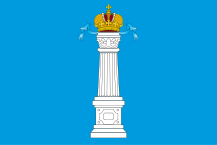 Ulyanovsk Oblast
Ulyanovsk Oblast is Vladimir Lenin's birthplace — a fact that during the Soviet era ensured massive investment in the city's museums and the Lenin Memorial Centre, now an extraordinary piece of 1970s Brutalist architecture housing original documents and childhood photographs that humanize the revolutionary in unexpected ways. The Ulyanovsk Regional Art Museum holds a collection of Impressionist and post-Impressionist works assembled by a pre-revolutionary collector of such quality that it rivals provincial museums three times its size. The Sengileevsky Ridge, a dramatic limestone escarpment above the Volga reservoir, and the forested Sengilei Mountain National Park offer the region's finest hiking in autumn foliage season.
-
61
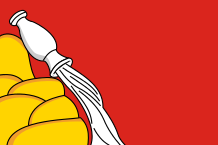 Voronezh Oblast
Voronezh Oblast is where Peter the Great built Russia's first naval fleet — the Azov flotilla of 1695–96 — in the shipyards of the Voronezh River, launching a maritime ambition that would transform Russia from a landlocked power to an ocean empire. Voronezh city has become one of Russia's most vibrant cultural capitals, its Platonov Arts Festival attracting international theatre companies each summer alongside a cafe culture and street art scene drawing comparisons to Saint Petersburg on a provincial budget. The Divnogorye plateau to the south, with its chalk canyon caves and 9th-century Orthodox hermitage, represents one of the Black Earth region's most dramatic geological landscapes.
-
62
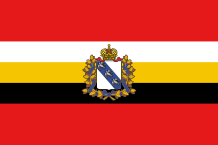 Kursk Oblast
Kursk Oblast was the site of the largest tank battle in history — Operation Citadel in July 1943 — and the Memorial Complex at Prokhorovka where German and Soviet armoured divisions collided head-on remains one of Russia's most solemn military sites. The Kursk Magnetic Anomaly, one of the world's largest iron ore deposits, visibly deflects compass needles and underlies an industrial landscape unique in its geological drama. The city of Kursk itself preserves fine 18th-century merchant architecture and the cathedral where Seraphim of Sarov — Russia's most beloved modern saint — was baptized.
-
63
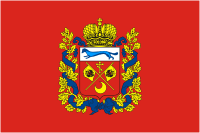 Orenburg Oblast
Straddling the boundary between Europe and Asia along the Ural River, Orenburg Oblast is the gateway to the Eurasian steppe where Cossack cavalry once patrolled the empire's southern frontier. Orenburg's famous down shawls — so fine they slip through a wedding ring — have been woven by local artisans since the 18th century. The Orenburg State Nature Reserve protects feather-grass prairies where saiga antelope and golden eagles still roam freely.
-
64
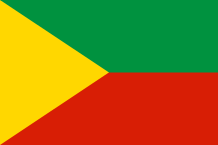 Zabaykalsky Krai
Zabaykalsky Krai occupies the Trans-Baikal plateau between Lake Baikal and the Mongolian border — a landscape of steppe valleys, pine-larch forests, and the distinctive rounded hills called sopki that give the territory its characteristic rolling silhouette. The Dauria International Steppe Reserve, straddling the Russian-Mongolian-Chinese border, protects the world's most intact temperate steppe ecosystem, where white-naped cranes perform their spectacular courtship dances and Siberian white gazelle migrate across international boundaries in herds of tens of thousands. Chita, the regional capital, began as a Decembrist exile settlement and preserves the wooden church where the Decembrist wives held services for their imprisoned husbands — a moving monument to political exile that shaped Russian intellectual history.
-
65
 Jewish Autonomous Oblast
The Jewish Autonomous Oblast was established by Stalin in 1934 as a Soviet Jewish homeland on the Chinese border — a forested and fertile territory of the Bira and Bidzhan rivers that attracted idealistic settlers from across the Soviet Union and from Jewish communities in the Americas and Europe, though far fewer than planned ever settled permanently. Birobidzhan, the compact capital, maintains Yiddish street signs and a functioning synagogue as evidence of this singular Soviet social experiment, and the regional museum tells the story of agricultural communes where Jewish farmers grew soybeans and wheat in a Siberian equivalent of the kibbutz. The Dichun and Bastak nature reserves protect the Sikhote-Alin foothills ecosystem of the oblast's mountainous southeast, where Amur leopard and Asian black bear inhabit intact temperate rainforest.
-
66
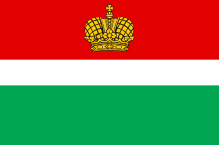 Kaluga Oblast
Kaluga Oblast is Russia's space capital, where Konstantin Tsiolkovsky — the father of theoretical cosmonautics — spent his most productive decades calculating the mathematics of rocket propulsion from his wooden house on the Oka. The Tsiolkovsky State Museum of the History of Cosmonautics in Kaluga city opened in 1967 with Yuri Gagarin in attendance, its full-scale rocket models and original notebooks documenting the Soviet Union's path to the stars with unusual candour. The Optina Pustyn Monastery, to which Dostoevsky, Tolstoy, and Gogol made spiritual pilgrimages, adds a contemplative dimension to a region that has shaped both Russian science and religious thought.
-
67
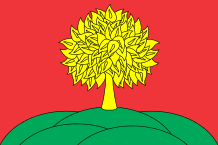 Lipetsk Oblast
Lipetsk Oblast hides one of Russia's best-kept resort secrets in its namesake city, where Peter the Great established iron-working foundries and medicinal mineral springs that still supply health-spa hotels along the forested riverside. The Khopyor Reserve protects the last population of Russian desman, a semi-aquatic mole-like creature found nowhere else on Earth, in river valleys shared with Voronezh Oblast. Lipetsk's modern steel industry coexists with one of the cleanest urban environments in central Russia, where the Lipetsk Municipal Park has been landscaped since 1795.
-
68
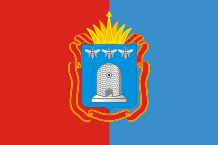 Tambov Oblast
Tambov Oblast occupies the rolling chernozem farmland between the Oka and Don watersheds, where merchant prosperity in the 19th century funded neoclassical civic buildings and a musical culture that influenced Sergei Rachmaninoff's earliest development. The Tambov Anti-Bolshevik Uprising of 1920–21 — the largest peasant rebellion of the entire Russian Civil War — is commemorated with a honesty that has grown with each decade of post-Soviet openness. The Voroninsky Nature Reserve protects the last river valleys of the Vorona watershed in their near-natural state, providing sanctuary for otters, white-tailed eagles, and rare river plants.
-
69
 Kalmykia
Kalmykia is Europe's only Buddhist republic and its only steppe desert — a landscape of vast treeless plains stretching from the Caspian Depression to the Ergeni Hills, where Kalmyk herders descended from Oirat Mongol migrants of the 17th century maintain a culture of Buddhism, horsemanship, and epic oral poetry. Elista, the small republic capital, may be Russia's most surreal city: a steppe metropolis built around a world-class chess complex — the Chess City — commissioned by former president Kirsan Ilyumzhinov, who once hosted Garry Kasparov's world championship matches here. The migratory route of the saiga antelope — a prehistoric species that survived the Ice Age but is now critically endangered — crosses the republic's open steppe in seasonal movements still dramatic enough to rival African wildlife migration.
-
70
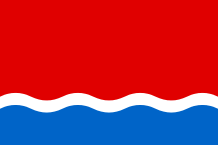 Amur Oblast
Amur Oblast was the staging ground for Russia's 19th-century Far Eastern expansion, where the Amur River formed the border with China negotiated by the Treaty of Peking in 1860 and where the modern Vostochny Cosmodrome — Russia's newest space launch facility — was built to reduce dependence on the Baikonur Cosmodrome in Kazakhstan. The Blagoveshchensk waterfront faces the Chinese city of Heihe across the Amur barely 750 metres away — one of the world's most vivid international boundaries, where the two cities' different approaches to urban development are visible from each other's promenades. The Zeysky Nature Reserve in the north shelters vast stands of Manchurian walnut, oak, and linden forest harbouring Amur leopard cat and the northernmost populations of wild boar on Earth.
-
71
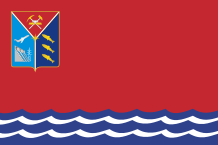 Magadan Oblast
Magadan Oblast carries the weight of one of the 20th century's darkest chapters: the Kolyma Gulag camps, where an estimated 400,000 political prisoners perished mining gold in temperatures of -50°C, and where the Road of Bones — built by prisoner labour — still connects Magadan to Yakutsk across some of the most remote wilderness on Earth. The Mask of Sorrow monument above the city of Magadan, designed by Ernst Neizvestny and unveiled in 1996, stands as Russia's most powerful memorial to Gulag victims, its concrete weeping face set against mountains that witnessed such suffering. Yet Magadan's Nagayeva Bay, wild coastline, and the pristine Kolyma River watershed offer a wilderness landscape of rare grandeur for the few adventure travellers who reach this extraordinary place.
-
72
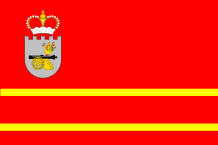 Smolensk Oblast
Smolensk Oblast occupies Russia's western defensive gateway — a corridor Napoleon marched through in triumph and retreated through in catastrophe, leaving behind a landscape of battlefields and the ruins of one of Russia's finest medieval kremlins. Smolensk's 17th-century fortress walls — over six kilometres of pink brick towers and battlements — remain the best-preserved defensive ring in the country, and the city's hilltop silhouette is one of Russia's most dramatic. The Katyn Forest Memorial quietly marks one of the most painful episodes of 20th-century Polish-Russian relations, drawing reflective visitors from both countries.
-
73
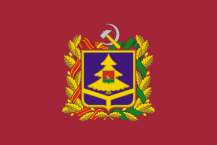 Bryansk Oblast
Bryansk Oblast is Russia's Green Capital — a densely forested borderland where the ancient Bryansk Forest has sheltered Slavic settlements, partisan fighters, and one of Europe's last wild bison herds through every invasion from the Mongols to the Wehrmacht. The cathedral town of Bryansk rose from medieval ruins to become a major industrial and transportation hub, while the surrounding countryside retains wooden village churches that seem untouched by centuries. Trubchevsk's archaeological museum preserves the oldest known Slavic settlement artefacts found anywhere along the Desna River.
-
74
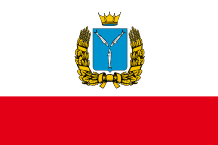 Saratov Oblast
Saratov Oblast marks the spot where Yuri Gagarin landed on his return from becoming the first human in space on 12 April 1961 — a field near Engels city now marked by a monument that feels appropriately understated for so epochal an event. Saratov itself was one of Imperial Russia's largest and most elegant provincial cities, its merchant-era mansions and art nouveau storefronts on Nekrasovskaya street surviving as evidence of the Volga grain trade's enormous wealth. The Volga German colonies of the Saratov region — settled by Catherine the Great's 18th-century immigration decree and later deported en masse by Stalin — left behind Lutheran churches and German-language cemeteries still visible across the steppe.
-
75
 Kurgan Oblast
Kurgan Oblast occupies the flat Trans-Ural steppe between the Tobol and Iset rivers, a land historically defined by nomadic Scythian burial mounds — kurgans — that gave the region its name and now yield extraordinary golden artefacts to ongoing archaeological excavations. The city of Kurgan is best known for the Ilizarov Orthopaedic Centre, where the Russian surgeon Gavriil Ilizarov pioneered limb-lengthening techniques now used in hospitals worldwide. Shadrinsk, the oblast's second city, preserves early 20th-century brick merchant architecture around a market square that somehow escaped Soviet-era demolition.
-
76
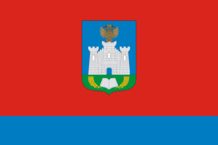 Oryol Oblast
Oryol Oblast is Russia's literary heartland, birthplace of Ivan Turgenev, Nikolai Leskov, and Ivan Bunin, whose childhood landscapes along the Oka and Oryol rivers soaked into prose that still defines the texture of rural Russian life. Spasskoye-Lutovinovo, Turgenev's estate where Fathers and Sons and Rudin were drafted in the shade of a lime-tree alley, opens its rooms and grounds to literary pilgrims each summer. Oryol city is compact and walkable, its riverside park and 19th-century merchant quarter offering a quietly authentic Russian provincial experience unmarred by mass tourism.
-
77
 North Ossetia-Alania
North Ossetia is the cultural heir of the Alanic civilization that once stretched from the Black Sea to the Caspian, and its mountain villages still feel like outposts of a lost medieval empire. The Ossetian Military Highway threads through the Terek River gorge past ancient sanctuaries and the haunting ruins of Dargavs — the City of the Dead, where thousands of clan members were sealed in stone crypts during a medieval plague. Vladikavkaz, the regional capital, retains handsome 19th-century Russian colonial boulevards alongside mosques and Orthodox churches.
-
78
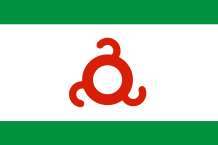 Ingushetia
Ingushetia is Russia's smallest republic and perhaps its most architecturally haunting, where medieval stone battle towers spike the skyline above narrow mountain gorges like something from a Celtic legend. The Jeyrah-Asso Reserve protects not only alpine meadows and Caucasian aurochs but also hundreds of defensive towers built by clans who never fell to the Mongols. Vovnushki, a cluster of towers balanced on sheer rock spurs, is among the most dramatic human-made structures in the entire Caucasus.
-
79
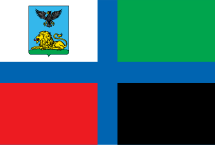 Belgorod Oblast
Belgorod Oblast lies at Russia's Ukrainian border — a prosperous agricultural heartland of chernozem soils so fertile they were historically measured in crops rather than hectares. The Battle of Kursk memorial at Prokhorovka reminds visitors that this same rich farmland was churned to apocalyptic mud by the largest tank engagement in history. Belgorod city is one of Russia's cleanest and most rapidly developing regional capitals, its chalk outcroppings and river gorges forming an unexpectedly dramatic natural setting.
-
80
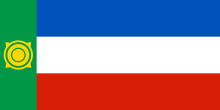 Khakassia
Khakassia preserves the most extraordinary concentration of prehistoric steppe monuments in all of Russia: thousands of Bronze and Iron Age burial mounds, stone stelae carved with human faces, and runic inscriptions in the Yenisei Kyrgyz script that document civilizations entirely unknown to Western historians. The Khakassky Nature Reserve protects a landscape of dry mountain steppe interrupted by turquoise glacial lakes whose shores served as gathering places for nomadic cultures stretching back to the 3rd millennium BC. Abakan, the republic's capital, sits at the junction of the Abakan and Yenisei rivers and serves as the gateway to a region so rich in archaeological sites that new discoveries continue to rewrite the prehistory of Inner Asia.
-
81
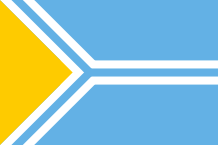 Tuva
Tuva
Tuva is Russia's most mystical republic — a mountain-steppe land of Buddhism, shamanism, and the ancient art of khoomei throat-singing, in which a single human voice produces two or three simultaneous pitches, an art that has influenced world music from Mongolia to Manhattan. The Tuvan steppe and its rivers drain inward to Asia's interior rather than to any ocean, making this one of the continent's great geographic curiosities, and the headwaters of the Yenisei River begin here in the Tuva basin. The ancient Scythian burial mounds of Arjan, where frozen tombs yielded gold artistry of extraordinary sophistication in 2001 excavations, have placed Tuva at the centre of steppe archaeology.
-
82
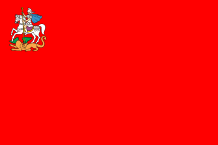 Moscow Oblast
Moscow Oblast encircles the capital in a ring of historic towns, monasteries, and forested reserves that have shaped Russian civilization for eight centuries. Sergiyev Posad's Trinity Lavra, Russia's most important Orthodox pilgrimage site, stands as a gilded fortress of faith just 70 km from Red Square. Zvenigorod, Klin, and Zagorsk echo with the names of Chekhov, Tchaikovsky, and the tsars.
-
83
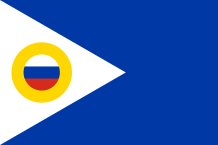 Chukchi Autonomous Okrug
The Chukchi Autonomous Okrug occupies the extreme northeastern corner of Russia, where the Asian and American continents almost touch across the Bering Strait, and where Indigenous Chukchi and Yupik reindeer herders and whale hunters still maintain traditions stretching back millennia. Wrangel Island, a UNESCO World Heritage Site, serves as the world's northernmost polar bear denning sanctuary and hosts the highest density of ancient mammoth remains on Earth. The region's stark tundra, frozen rivers, and ice-bound coastlines represent one of the last truly wild frontiers on the planet.