Most Popular
Every country and territory, the most visited cities and a selection of the UNESCO World Heritage Sites in North America.
-
1
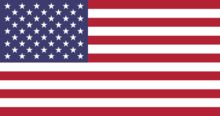
From Hawaiian beaches to Alaskan glaciers, from New York skyscrapers to the Grand Canyon, the US offers almost every landscape and experience imaginable across 50 states.
-
2
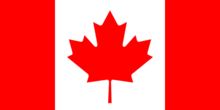
Vast wilderness, multicultural cities like Toronto and Vancouver, the Northern Lights and Niagara Falls — Canada combines breathtaking nature with warm, welcoming communities.
-
3
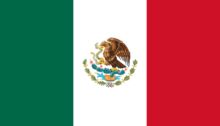
Ancient Aztec and Maya pyramids, the deep blue of the Caribbean in the Yucatán, extraordinary tacos al pastor and the electric nightlife of Mexico City.
-
4
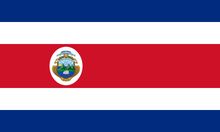
Arenal Volcano, zip-lining through cloud forests, nesting sea turtles on Pacific beaches and a commitment to biodiversity that has made Costa Rica the world's ecotourism pioneer.
-
5
 Cuba
Cuba
Havana's vintage American cars and crumbling colonial grandeur, Viñales' tobacco fields, salsa rhythms on every corner and a culture frozen in time yet vibrantly alive.
-
6
 Panama
The engineering marvel of the Panama Canal, a UNESCO old city in Casco Viejo, lush rainforest teeming with wildlife and the San Blas archipelago's pristine Caribbean islands.
-
7
 Dominican Republic
Punta Cana's all-inclusive resorts, the colonial zone of Santo Domingo (the Americas' oldest European city), humpback whale watching in Samaná Bay and lush mountain scenery.
-
8
 Anguilla Territory
A quiet British territory of low scrub and exceptional beaches, with no high-rises, a strong boat-racing tradition and Shoal Bay regularly rated among the Caribbean's best.
-
9
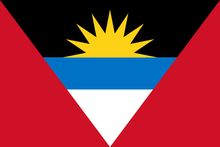 Antigua and Barbuda
Reputedly a beach for every day of the year, plus Nelson's Dockyard — the only working Georgian naval dockyard left anywhere — and a sailing week that fills the island each April.
-
10
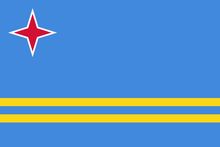 Aruba Territory
Dutch Caribbean, dry and cactus-strewn rather than lush, with reliable trade winds that have made it a windsurfing centre and beaches on the leeward side.
-
11
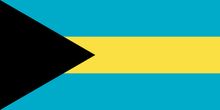 Bahamas
Seven hundred islands and cays, including the swimming pigs of Exuma, the world's third-largest barrier reef and blue holes that divers come a long way for.
-
12
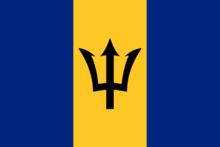 Barbados
The most easterly Caribbean island, with Atlantic surf on one coast and calm water on the other, rum distilleries dating to the 1700s and a serious cricketing tradition.
-
13
 Belize
English-speaking Central America, with the second-longest barrier reef on earth, the Great Blue Hole, and Maya sites like Caracol still half-swallowed by jungle.
-
14
 Bermuda Territory
Pink-sand beaches and pastel roofs in the North Atlantic rather than the Caribbean, with British colonial history, a wreck-diving reputation and the shipping-forecast triangle offshore.
-
15
 British Virgin Islands Territory
Tortola and its neighbours form one of the world's great sailing grounds, with protected waters, short hops between anchorages and the boulder-strewn Baths on Virgin Gorda.
-
16
 Cayman Islands Territory
Three low islands famous for finance and for diving — Seven Mile Beach, the wall drop-offs off Little Cayman, and a sandbar where stingrays gather in waist-deep water.
-
17
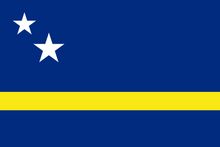 Curacao Territory
The largest of the Dutch ABC islands, with Willemstad's candy-coloured waterfront on the World Heritage list and shore diving straight off the beach.
-
18
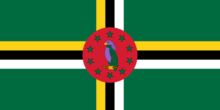 Dominica
Not the Dominican Republic but the Nature Isle: rainforest, 365 rivers, the world's second-largest boiling lake and a hiking trail that runs the length of the island.
-
19
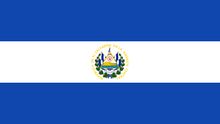 El Salvador
The smallest and most densely populated Central American country, with Pacific surf breaks at El Tunco, colonial Suchitoto and a chain of volcanoes running through the middle.
-
20
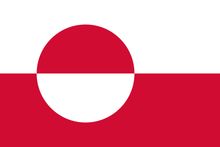 Greenland Territory
The world's largest island and an autonomous territory of Denmark, with an ice sheet two miles thick, calving glaciers at Ilulissat, and settlements connected only by boat, plane or dog sled.
-
21
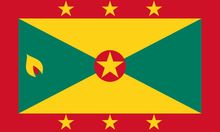 Grenada
The Spice Isle, still producing a sizeable share of the world's nutmeg, with an underwater sculpture park off the west coast and a horseshoe harbour at St George's.
-
22
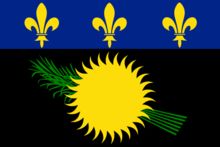 Guadeloupe Territory
A French department shaped like a butterfly, with one wing of rainforest and volcano and the other of limestone and beaches, joined by a bridge over mangrove.
-
23
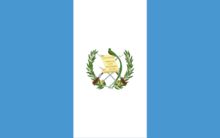 Guatemala
Tikal rising above the rainforest canopy, Antigua's cobbles beneath three volcanoes, and Lake Atitlán ringed by Maya villages — Guatemala is Central America's cultural heart.
-
24
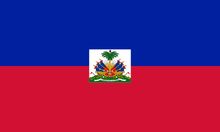 Haiti
Haiti
Sharing Hispaniola with the Dominican Republic, Haiti has the Citadelle Laferrière — the largest fortress in the Americas — but earthquakes, hurricanes and instability have all but ended tourism.
-
25
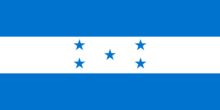 Honduras
The Bay Islands offer some of the cheapest dive certification anywhere, and Copán's carved stelae are the finest Maya sculpture outside Guatemala.
-
26
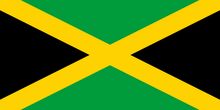 Jamaica
Reggae, jerk, the Blue Mountains and Seven Mile Beach at Negril — Jamaica exports more culture per head than almost any country on earth.
-
27
 Martinique Territory
An overseas department of France in the Lesser Antilles, with Mont Pelée looming over Saint-Pierre, the town it destroyed in 1902, and beaches of black and white sand.
-
28
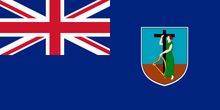 Montserrat Territory
Half the island is an exclusion zone after the Soufrière Hills volcano buried the capital in 1995 — Plymouth is a modern Pompeii, viewable only from a distance.
-
29
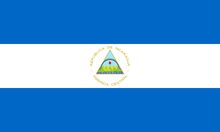 Nicaragua
Colonial Granada on Lake Nicaragua, volcano boarding down Cerro Negro, and Pacific surf at San Juan del Sur — cheaper and emptier than its neighbours.
-
30
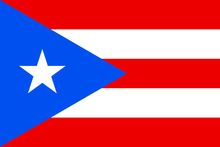 Puerto Rico Territory
A US territory with Old San Juan's blue cobblestones and 16th-century forts, the bioluminescent bay at Vieques, and El Yunque, the only tropical rainforest in the US park system.
-
31
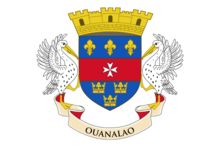 Saint Barthelemy Territory
A small, expensive French island of yacht harbours and designer shops, more Saint-Tropez than Caribbean, with steep hills down to sheltered coves.
-
32
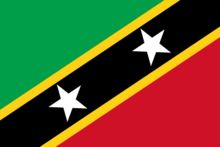 Saint Kitts and Nevis
Two islands joined by a strait, with a UNESCO-listed hilltop fortress at Brimstone Hill and a scenic railway built to carry sugar cane.
-
33
 Saint Lucia
The Pitons rise straight out of the sea on the west coast — the most recognisable silhouette in the Caribbean — above sulphur springs and rainforest.
-
34
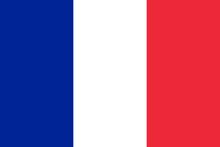 Saint Martin Territory
The northern, French half of a shared island, with beaches, a reputation for food and an open border with the Dutch side.
-
35
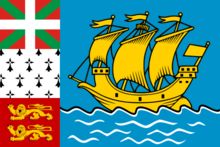 Saint Pierre and Miquelon Territory
Eight small islands off Newfoundland that are legally part of France — euros, baguettes and French number plates in the North Atlantic.
-
36
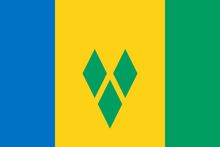 Saint Vincent and the Grenadines
Thirty-two islands and cays, most of them uninhabited, with the Tobago Cays lagoon and a sailing culture that has largely kept the cruise ships at arm's length.
-
37
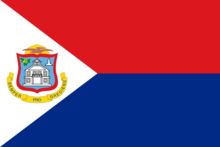 Sint Maarten Territory
The Dutch half of Sint Maarten, known for the beach at the end of the airport runway and for a border with France nobody polices.
-
38
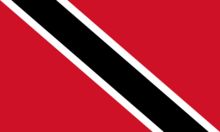 Trinidad and Tobago
Carnival, calypso and steelpan were all invented here, and the Caroni swamp fills with scarlet ibis at dusk. More industrial and less resort-driven than its neighbours.
-
39
 Turks and Caicos Islands Territory
Forty low islands where Grace Bay is routinely voted the best beach in the world, edged by the third-largest reef system on earth.
-
40
 United States Virgin Islands Territory
Three US islands with Danish colonial street names, duty-free shopping in Charlotte Amalie, and two-thirds of St John protected as national park.