Most Popular
Every country and territory, the most visited cities and a selection of the UNESCO World Heritage Sites in Europe.
-
1
 United Kingdom
From the cobbled streets of London to the Scottish Highlands and Welsh valleys, the UK packs centuries of history, world-class museums, and dramatic landscapes into one compact archipelago.
-
2
Beer gardens in Bavaria, cutting-edge culture in Berlin, fairy-tale castles along the Rhine — Germany blends ancient tradition with modern energy across 16 distinct states.
-
3
The world's most visited country — France delivers the Eiffel Tower, the French Riviera, world-class cuisine, and some of Europe's finest art and architecture.
-
4
Ancient Rome, Renaissance Florence, the canals of Venice, Amalfi Coast sunsets — Italy is a living museum where incredible food and passionate culture surround you at every turn.
-
5
Vibrant Barcelona, sun-drenched Andalusia, Basque pintxos, and flamenco in Seville — Spain's rich diversity of regions, cuisines, and landscapes never fails to captivate.
-
6
Tulip fields, windmills, canal-lined cities and world-class art museums make the Netherlands a perennial favourite — all remarkably accessible by bicycle.
-
7
Beautifully preserved medieval towns, moving WWII history, hearty pierogi, and a thriving art scene make Poland one of Europe's most rewarding — and affordable — destinations.
-
8
Chocolate, waffles, world-class beer and perfectly preserved medieval cities like Bruges and Ghent — Belgium punches far above its weight as a travel destination.
-
9
Alpine peaks, pristine lakes, charming towns and exceptional chocolate — Switzerland's natural beauty is matched only by its reputation for precision, quality and cleanliness.
-
10
Wild Atlantic coastlines, ancient Celtic ruins, legendary pub culture and some of the friendliest people in the world make Ireland an enduringly magical destination.
-
11
Scandinavia's largest country offers Viking heritage, the midnight sun, design-forward cities and some of the world's most pristine forests and archipelagos.
-
12
Imperial Vienna, Mozart's Salzburg, the Austrian Alps for skiing and hiking — Austria is a small country with an outsized legacy in music, art and mountain grandeur.
-
13
The world's largest country spans 11 time zones, from the golden domes of Moscow and palaces of St. Petersburg to the vast Siberian taiga and shores of Lake Baikal.
-
14
Birthplace of democracy, philosophy and the Olympics — Greece offers sun-bleached ruins, crystalline Aegean waters, whitewashed island villages and exceptional seafood.
-
15
Prague is one of Europe's most beautiful capitals, with a perfectly preserved medieval old town, a stunning castle and some of the world's best (and cheapest) beer.
-
16
Lisbon's colourful tiled façades, Porto's port wine cellars, the surf of the Algarve and the lush Douro Valley — Portugal is endlessly charming and remarkably affordable.
-
17
Dramatic fjords, the Northern Lights, midnight sun hikes and the serene Lofoten Islands — Norway's raw natural spectacle is unlike anywhere else on earth.
-
18
Land of a thousand lakes, aurora-lit winter nights, pristine forests and sauna culture — Finland offers a uniquely peaceful escape at the edge of the Arctic.
-
19
Consistently ranked among the world's happiest countries, Denmark combines cutting-edge design, world-class food, charming harbours and the world's oldest amusement park.
-
20
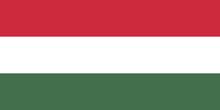
Budapest's grand thermal baths, Gothic parliament and vibrant ruin bars make it one of Europe's most seductive capitals, backed by castle-dotted rolling countryside.
-
21
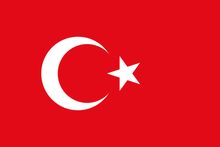
Istanbul straddles two continents, Cappadocia's fairy chimneys dot an otherworldly landscape, and the turquoise Aegean coast stretches for thousands of kilometres of ancient ruins and beaches.
-
22
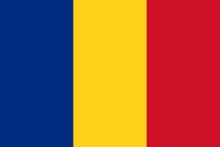
Transylvania's medieval castles, the Carpathian Mountains, painted monasteries of Bucovina and a burgeoning food scene make Romania one of Europe's most underrated gems.
-
23
 Ukraine
Kyiv's golden-domed monasteries, the baroque grandeur of Lviv and the Black Sea coast make Ukraine a land of extraordinary history and warm hospitality.
-
24
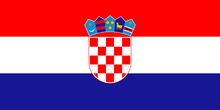
Dubrovnik's limestone walls overlooking the Adriatic, Plitvice Lakes' turquoise cascades and hundreds of sun-baked islands make Croatia the jewel of the Dalmatian Coast.
-
25
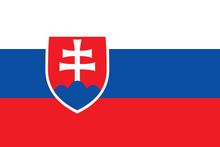
Medieval castles perched on rocky crags, the dramatic High Tatras mountains and a capital city that is walkable, affordable and rapidly emerging on the European travel scene.
-
26
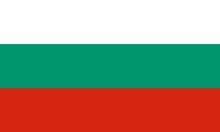
Black Sea beach resorts, the picturesque old town of Plovdiv, ancient Thracian tombs and some of Europe's most affordable ski resorts.
-
27
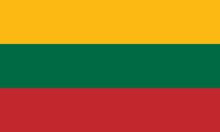
Vilnius's Baroque old town is a UNESCO gem, the Curonian Spit a natural wonder, and Lithuanian amber and rye bread are among Europe's most distinctive souvenirs.
-
28
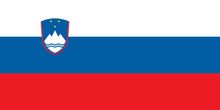
Tiny but breathtaking — Lake Bled's island church, Triglav National Park's peaks, the Adriatic city of Piran and the underground Postojna Cave make Slovenia punch far above its size.
-
29
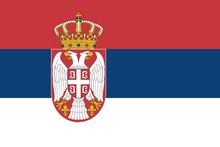
Belgrade's wild nightlife aboard Danube river boats, medieval monasteries, the Đavolja Varoš rock formations and some of the most soulful traditional music in the Balkans.
-
30
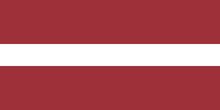
Riga's stunning Art Nouveau architecture, the pine forests and white sand beaches of Jūrmala, and a rich Baltic heritage make Latvia a hidden gem of Northern Europe.
-
31
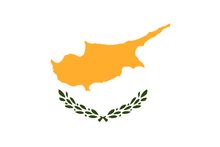
Birthplace of Aphrodite, Cyprus offers Venetian castles, Byzantine churches, crystal-clear Mediterranean waters and some of the best meze spreads in the eastern Mediterranean.
-
32
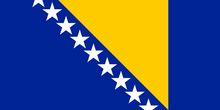
Mostar's iconic Stari Most bridge arching over the Neretva, Sarajevo's remarkable blend of Ottoman and Austro-Hungarian heritage, and mountains perfect for skiing and hiking.
-
33
Tallinn's perfectly preserved medieval old town is among Europe's best, and Estonia's digital-first culture, bogs, forests and island archipelago make it unexpectedly captivating.
-
34
Europe's smallest great country — Luxembourg City's fortified cliff-top old town, deep gorges and its status as a founding EU member give this tiny grand duchy outsized appeal.
-
35
Minsk's grand Soviet boulevards, the medieval Mir Castle, the primeval Białowieża Forest and a rapidly growing craft beer and cafe culture make Belarus quietly compelling.
-
36
Geysers, volcanoes, cascading waterfalls, the Blue Lagoon and the Northern Lights — Iceland is Europe's most geologically active country and one of its most spectacular.
-
37
A tiny Adriatic gem with medieval walled towns, dramatic Bay of Kotor fjords, wild national parks and some of the most affordable luxury on the Adriatic.
-
38
Riviera beaches rivalling anywhere in the Mediterranean, UNESCO-listed cities of Berat and Gjirokastër, and a wild mountain interior — Albania is Europe's last undiscovered gem.
-
39
Lake Ohrid — one of Europe's oldest and deepest — surrounded by Byzantine churches, the vibrant bazaars of Skopje and mountains perfect for trekking.
-
40
One of Europe's youngest countries, Kosovo offers medieval Serbian monasteries, the vibrant capital Pristina, and the stunning Rugova Canyon in the Western Balkans.
-
41
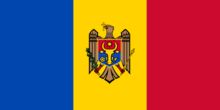 Moldova
One of Europe's least-visited countries rewards curious travellers with vast underground wine cellars, Orthodox monasteries carved into cliff faces and warm local hospitality.
-
42
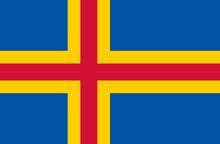 Aland Islands Territory
A Finnish archipelago of 6,700 islands that speaks Swedish, governs itself and is demilitarised by treaty — reached by ferry from either country.
-
43
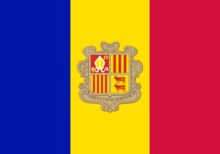 Andorra
A Pyrenean microstate between France and Spain with no airport, no army and duty-free shopping — plus the largest ski area in the range.
-
44
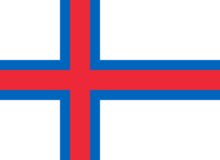 Faroe Islands Territory
Eighteen North Atlantic islands of sheer cliffs, grass-roofed houses and near-permanent weather, connected by sub-sea tunnels and a helicopter service treated as a bus.
-
45
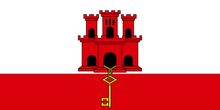 Gibraltar Territory
A limestone monolith at the mouth of the Mediterranean, British since 1713, with Barbary macaques on the Rock and an airport runway crossed by the main road.
-
46
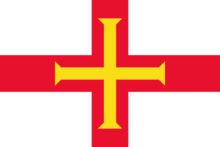 Guernsey Territory
A Channel Island bailiwick closer to France than to England, with cliff paths, German occupation fortifications, and car-free Sark alongside it.
-
47
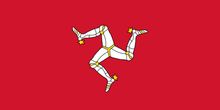 Isle of Man Territory
A self-governing Crown Dependency in the Irish Sea with its own thousand-year-old parliament, a steam railway, and the TT motorcycle races each May.
-
48
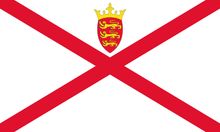 Jersey Territory
The largest Channel Island, with tidal ranges among the biggest in the world, Norman place names, and beaches that double in size twice a day.
-
49
 Liechtenstein
A 160-square-kilometre principality between Switzerland and Austria, ruled from a castle above Vaduz and reachable only by road.
-
50
 Malta
Malta
A fortified archipelago in the middle of the Mediterranean, with Valletta's Baroque bastions, megalithic temples older than the pyramids, and English as an official language.
-
51
 Monaco
Two square kilometres on the Riviera, stacked with high-rises above a harbour of superyachts, and a Grand Prix run through its ordinary streets once a year.
-
52
 San Marino
The oldest surviving sovereign state in the world, founded in 301, sitting on top of Monte Titano with three towers and a view across Romagna to the Adriatic.
-
53
 Svalbard Territory
A Norwegian Arctic archipelago at 78° north, with more polar bears than people, no roads between settlements, and a seed vault cut into the permafrost.
-
54
 Vatican City
The smallest country on earth at 0.49 square kilometres, holding St Peter's, the Sistine Chapel and one of the great art collections anywhere.